Super Sete Lottery: No Winner for $3 Million Jackpot in Contest 870
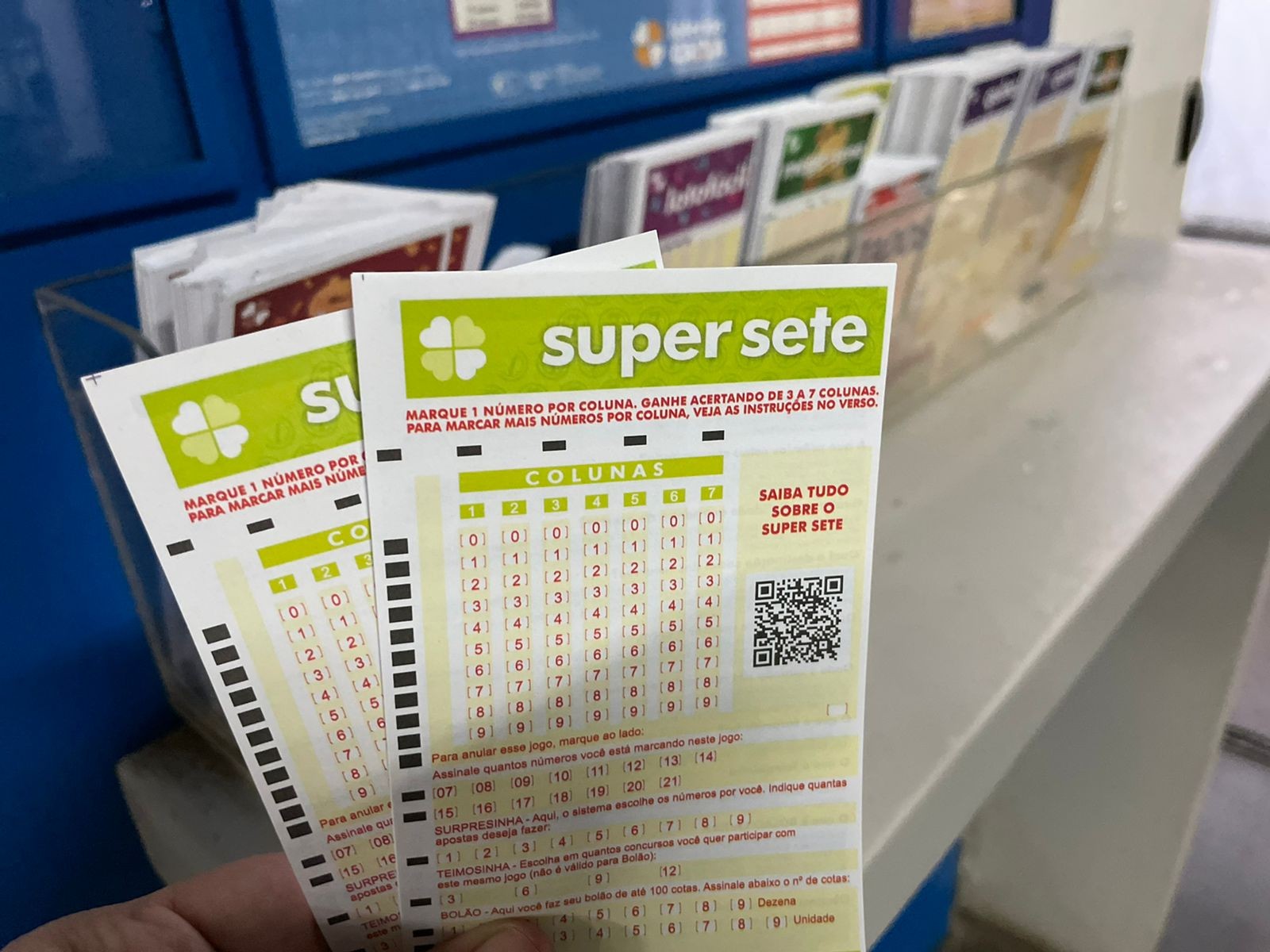
The Super Sete lottery's 870th contest, held on Wednesday, October 8th, did not yield a grand prize winner, causing the jackpot to roll over to an estimated R$ 3 million for the next drawing on Friday, October 10th. In this contest, no players managed to match all seven numbers drawn. However, there were winners in lower prize tiers: four players correctly guessed six numbers and will each receive R$ 7,832.23. Thirty-eight players matched five numbers, earning R$ 1,177.77 each. Additionally, 628 players hit four numbers for R$ 71.26 apiece, and 5,572 players secured R$ 6 each for matching three numbers. The Super Sete game involves players selecting one number from 0 to 9 in each of seven columns, with seven numbers drawn in total, one per column. Players can opt for multiple numbers per column, choose up to 21 numbers in total, or use the "Surpresinha" option where numbers are randomly selected by Caixa Econômica Federal. The "Teimosinha" feature allows players to repeat their bets for multiple consecutive drawings. The base bet costs R$ 3.00, with prize distribution percentages allocated to different winning tiers, including a fixed R$ 5 prize for three correct numbers.
This lottery outcome highlights the inherent probabilistic nature of games of chance, where the accumulation of large jackpots is a direct consequence of the low probability of matching all numbers. The structure of Super Sete, with its multiple prize tiers and fixed payouts for lower-tier wins, aims to maintain player engagement even when the top prize remains unclaimed. From a systemic perspective, such lotteries function as a form of voluntary taxation, channeling funds from a broad base of participants to prize pools and, presumably, to other public or private initiatives funded by the lottery operator, Caixa Econômica Federal. The rollover mechanism, while increasing the allure of future jackpots, also underscores the statistical unlikelihood of any single participant achieving the ultimate win, a dynamic that could be examined through the lens of behavioral economics and responsible gaming frameworks in the long term.
AI-generated to prompt reflection — not editorial opinion, not advice, not a statement of fact. How this works.