Super Typhoon Bavi Causes 15 Deaths in Philippines, Alerts Issued for Taiwan and Japan
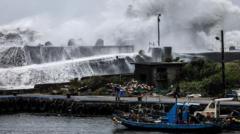
Super Typhoon Bavi, considered one of the most powerful storms in recent years, has resulted in 15 fatalities in the Philippines. NASA reported its maximum sustained winds reached 290 kilometers per hour. The typhoon's intensity prompted alerts and concerns in neighboring regions, including Taiwan and Japan, as it moved through the area. The storm's path and destructive potential have raised significant alarms across East Asia. Authorities in the affected countries are closely monitoring the situation and preparing for potential impacts. Further details regarding the specific locations of the fatalities within the Philippines and the extent of damage are expected to emerge as assessments continue. The meteorological agencies of Taiwan and Japan have issued warnings, advising residents to take necessary precautions. The trajectory of Bavi indicates a significant threat to coastal communities and infrastructure in these nations. The international community is observing the event, given the typhoon's extreme strength and its potential to cause widespread disruption.
The extreme wind speeds of Super Typhoon Bavi, reaching 290 km/h, highlight the increasing intensity of tropical cyclones, a trend potentially linked to climate change. The significant loss of life in the Philippines underscores the vulnerability of developing nations to natural disasters, emphasizing the critical need for robust early warning systems and resilient infrastructure. The alerts issued for Taiwan and Japan demonstrate the interconnectedness of regional safety in the face of powerful weather events. Future preparedness strategies must consider the escalating power of such storms, necessitating international cooperation in climate adaptation and disaster response to mitigate the human and economic toll.
AI-generated to prompt reflection — not editorial opinion, not advice, not a statement of fact. How this works.