Super Typhoon Bavi Hits US Pacific Islands with Extreme Winds
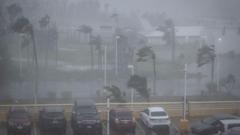
Super Typhoon Bavi has made landfall on US Pacific islands, bringing with it incredibly powerful winds. The storm's sustained winds are measured at nearly 290 kilometers per hour (180 miles per hour). Additionally, gusts have been recorded reaching up to 350 kilometers per hour. The island of Rota is currently bearing the brunt of the typhoon's force. This powerful storm poses a significant threat to the infrastructure and residents of the affected islands. Emergency services are likely on high alert to manage the impact and potential aftermath of such a severe weather event. The extreme nature of these wind speeds highlights the destructive potential of Super Typhoon Bavi as it moves across the region.
The landfall of Super Typhoon Bavi underscores the increasing intensity and frequency of extreme weather events, a trend often linked to broader climate shifts. The immense wind speeds recorded, reaching 350 km/h, present substantial risks to infrastructure and human safety in vulnerable island communities. This event highlights the critical need for robust disaster preparedness and resilient infrastructure development in regions susceptible to tropical cyclones. Future planning must consider the evolving patterns of these storms, driven by oceanic and atmospheric changes, to mitigate escalating risks and ensure the long-term security of affected populations.
AI-generated to prompt reflection — not editorial opinion, not advice, not a statement of fact. How this works.