Super Typhoon Bavi Makes Landfall in Eastern China
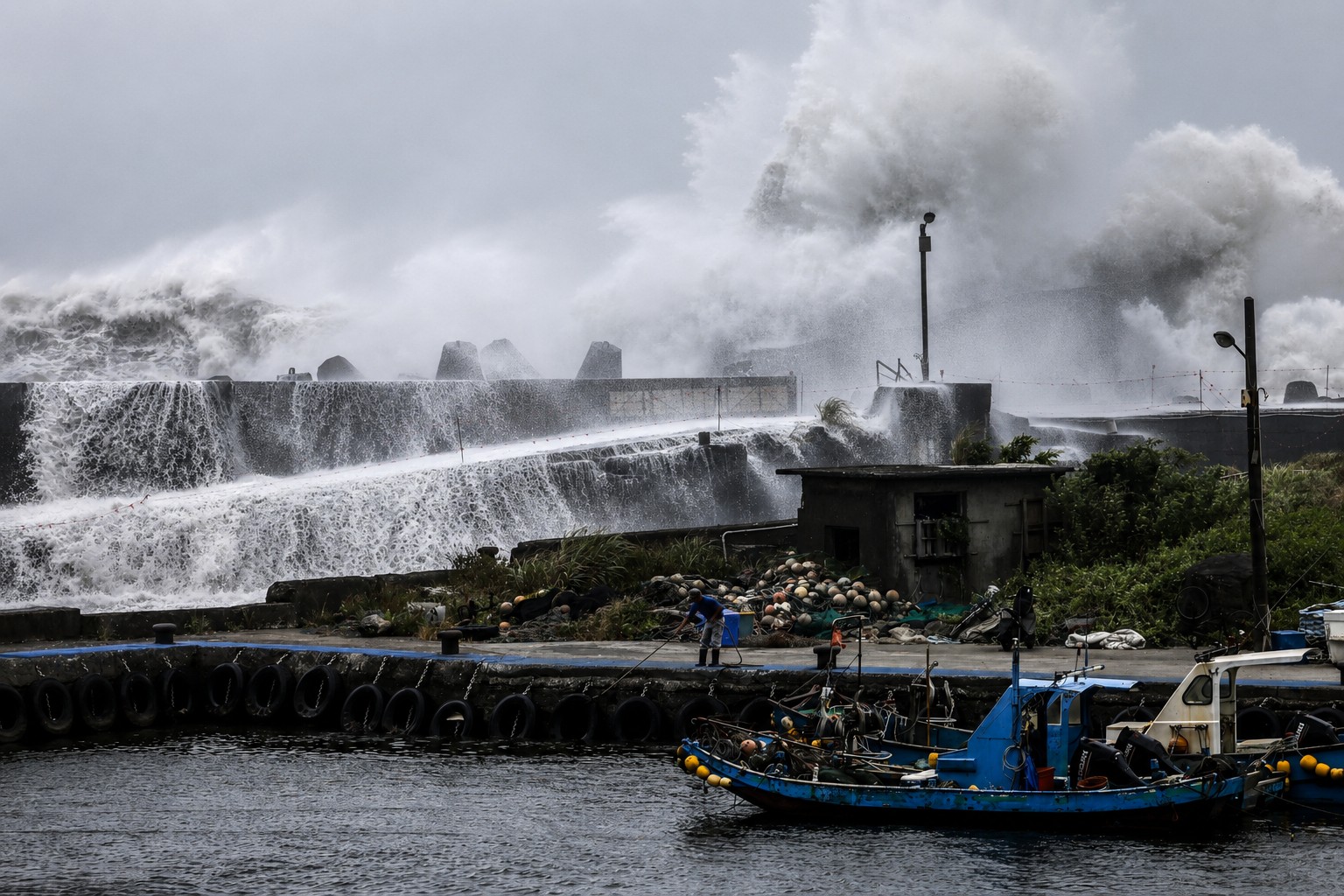
Super Typhoon Bavi made landfall in eastern China on Saturday, August 11th, bringing winds of up to 145 km/h and large waves. The cyclone touched down in Zhejiang province at 11:20 PM local time, according to the provincial meteorological observatory via the state agency Xinhua. As a precautionary measure, over 1.7 million residents in Zhejiang province had already been evacuated, with more than 2 million people evacuated in total across China and Taiwan. No deaths or serious injuries have been reported so far. Authorities suspended classes, outdoor activities, and some transportation services. Over 1,100 domestic and international flights were canceled, and ferry services and some railway lines experienced disruptions or reduced operations. Prior to reaching China, Bavi passed through northern Taiwan and remote islands in southwestern Japan, causing strong winds, heavy rains, and transport service interruptions. The arrival of Bavi follows a week of extreme weather events in China, including heavy rains from Typhoon Maysak that resulted in at least 39 deaths in the Guangxi region. Additionally, a landslide in Gansu province killed 21 people, and storms and tornadoes in Hubei claimed 11 lives.
The landfall of Super Typhoon Bavi highlights the increasing frequency and intensity of extreme weather events impacting East Asia, potentially exacerbated by climate change. The extensive evacuations and service disruptions underscore the significant economic and social costs associated with such natural disasters. This event prompts consideration of how infrastructure resilience and early warning systems in densely populated coastal regions can be further enhanced to mitigate future impacts. The interconnectedness of regional weather patterns also suggests a need for coordinated international disaster preparedness strategies, particularly as climate models predict a continuation of these trends over the next decade.
AI-generated to prompt reflection — not editorial opinion, not advice, not a statement of fact. How this works.