Super Typhoon Bavi Makes Landfall on US Pacific Island, Taiwan Next
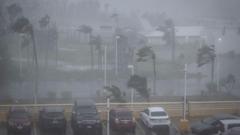
Super Typhoon Bavi made landfall on Rota Island, an unincorporated territory of the United States in the Pacific, with sustained winds of 290 kilometers per hour and gusts reaching 350 kilometers per hour. The powerful storm is now forecast to move towards Taiwan. The intensity of Bavi poses a significant threat to the island territories and potentially to Taiwan. Residents in the affected regions are urged to take necessary precautions as the typhoon's path indicates a direct approach to populated areas. The meteorological agencies are closely monitoring the storm's trajectory and intensity. Further updates on its movement and potential impact on Taiwan are expected.
The trajectory of Super Typhoon Bavi highlights the increasing intensity of tropical cyclones, a phenomenon linked to rising ocean temperatures. Its direct impact on Rota Island, a U.S. territory, underscores the vulnerability of island nations and territories to extreme weather events. The storm's projected path towards Taiwan raises concerns about regional preparedness and disaster management infrastructure. This event serves as a case study for the challenges posed by climate change on weather patterns, necessitating robust adaptation strategies and international cooperation in early warning systems and disaster relief efforts.
AI-generated to prompt reflection — not editorial opinion, not advice, not a statement of fact. How this works.