Super Typhoon Bavi Slams Tropical Island of Rota
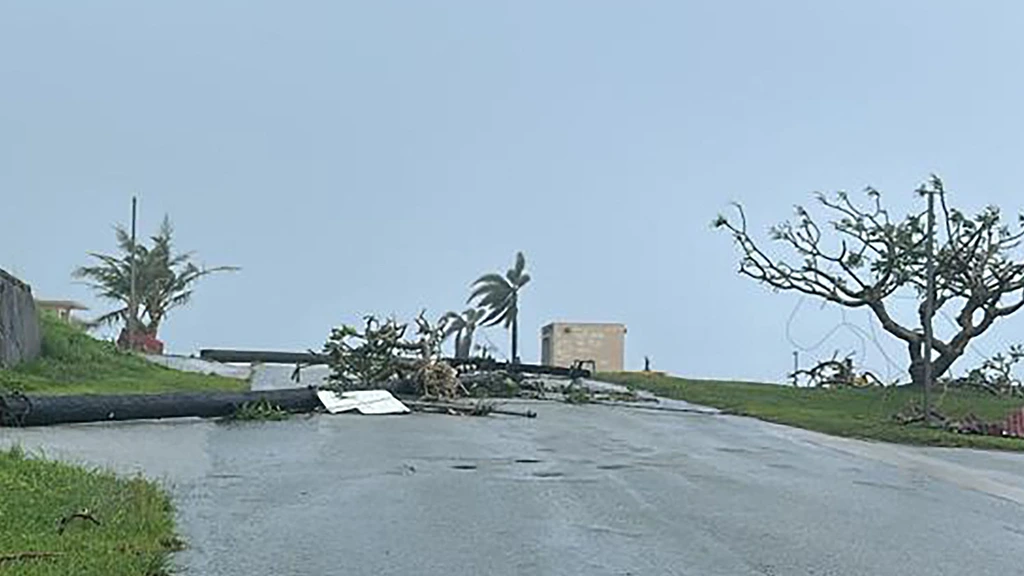
Super Typhoon Bavi made a direct hit on the small Pacific island of Rota, part of the U.S. Northern Mariana Islands, with its eye passing directly over the territory. The storm brought sustained winds exceeding 240 kilometers per hour and gusts nearing 350 kilometers per hour. Rota, home to approximately 1,500 residents, experienced the brunt of the Category 5 storm. The nearby larger island of Guam and islands north of Rota were also affected, though to a lesser extent. The full extent of the damage remains unknown, but the U.S. National Weather Service had warned of an "extremely dangerous and life-threatening situation." Significant structural damage to buildings, fallen trees, flooding, and widespread power outages were anticipated, particularly given that many homes are constructed from wood and corrugated iron. Residents were advised to stay indoors, away from windows, and to avoid coastal areas due to the risk of flying debris and storm surge. Other islands in the region were also alerted to the threat of severe flooding from the heavy rainfall associated with the typhoon. This event follows closely on the heels of Super Typhoon Sinlaku in April, with recovery efforts still ongoing on islands like Saipan and Tinian, where power has yet to be restored. Bavi is currently moving northwest towards the Philippines at 15 kilometers per hour and is expected to gradually weaken.
Super Typhoon Bavi's direct impact on Rota highlights the vulnerability of low-lying island communities to extreme weather events, exacerbated by housing construction susceptible to high winds. The repeated exposure to powerful typhoons, as evidenced by the recent passage of Sinlaku, strains local resources and recovery capacities, suggesting a need for enhanced disaster preparedness and resilient infrastructure investment. The trajectory towards the Philippines indicates a recurring pattern of climate-driven hazards impacting densely populated regions, underscoring the broader systemic challenge of adapting to a changing climate and its intensification of tropical cyclones. Future planning must consider the increasing frequency and intensity of such storms as a critical factor in regional development and security.
AI-generated to prompt reflection — not editorial opinion, not advice, not a statement of fact. How this works.