Super Typhoon Bavi Threatens US Pacific Territories of Guam and Northern Marianas
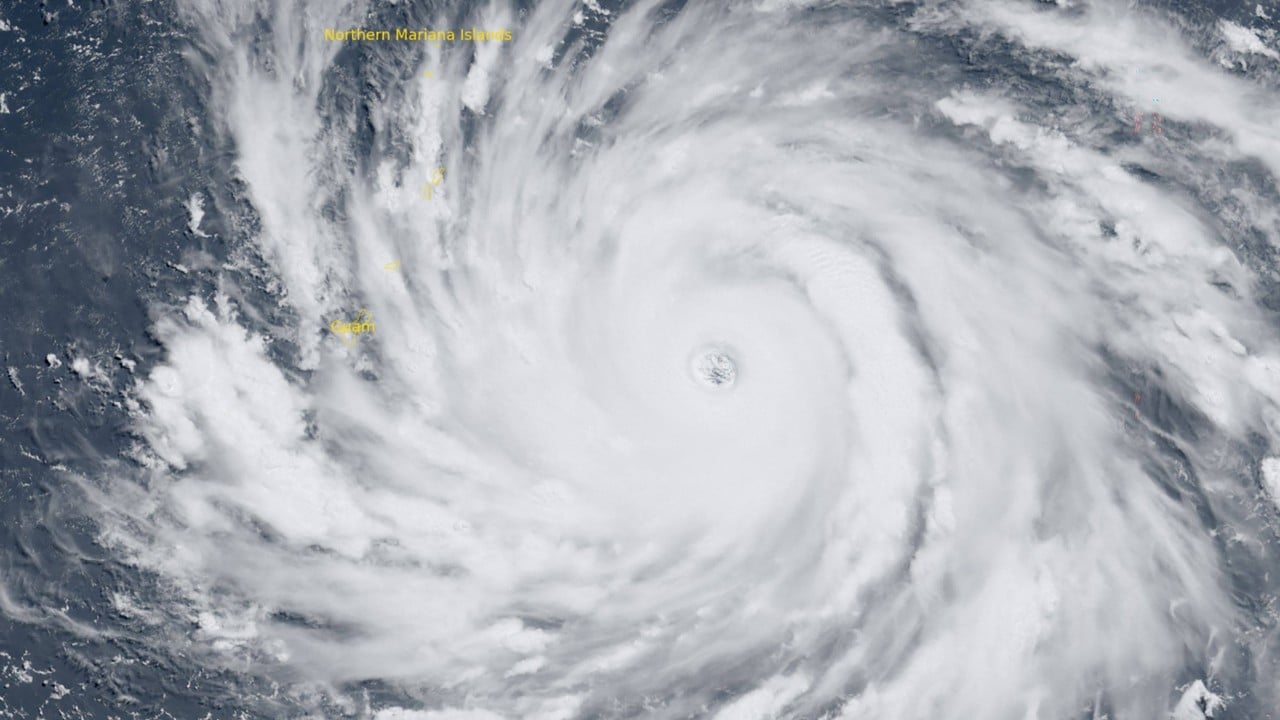
Residents of Guam and the Northern Marianas were evacuated to emergency centers and rushed to complete final preparations on Sunday as Super Typhoon Bavi approached. The powerful storm was projected to directly impact the US Pacific territories on Monday around 10:00 AM local time. Forecasters predicted Bavi would maintain its westward path with sustained winds of 260 kilometers per hour (160 mph), comparable to a Category 5 hurricane. Gusts were expected to reach up to 315 kph. The National Weather Service issued warnings, describing the typhoon as "very dangerous" and urging residents to take necessary precautions. Emergency management agencies coordinated efforts to ensure public safety and provide shelter for those in vulnerable areas. The approaching storm prompted widespread concern among the island communities, which are accustomed to tropical cyclones but recognized the extreme intensity of Bavi. Authorities emphasized the importance of heeding all official advisories and remaining in secure locations until the storm passes.
The impending arrival of Super Typhoon Bavi highlights the increasing vulnerability of populated areas in the Pacific to extreme weather events, a trend often linked to broader climate shifts. While emergency preparedness measures are crucial for immediate safety, the recurring nature and escalating intensity of such storms necessitate a long-term strategic focus on resilient infrastructure and sustainable land-use planning. This event underscores the complex interplay between meteorological phenomena, geographic location, and the governance challenges faced by island territories in mitigating disaster risks. Future planning must consider not only immediate response but also the long-term economic and social impacts of increasingly powerful typhoons on these communities.
AI-generated to prompt reflection — not editorial opinion, not advice, not a statement of fact. How this works.