Super Typhoon Bavi Threatens US Pacific Territories with Catastrophic Winds
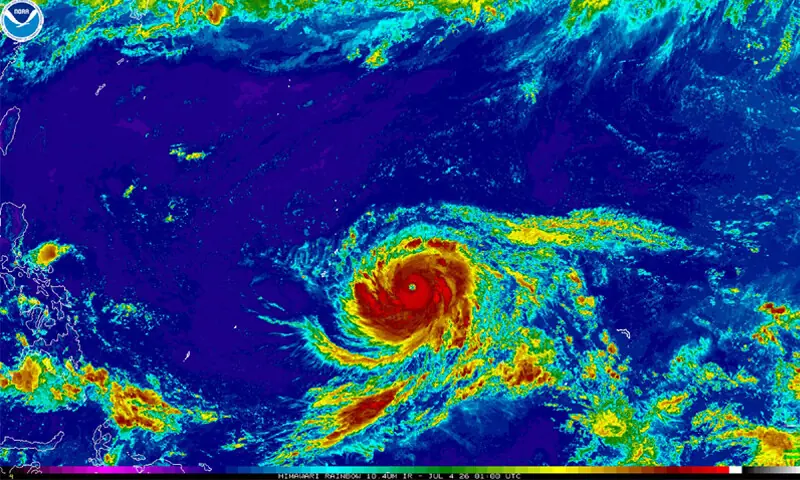
Super Typhoon Bavi is rapidly approaching the US territories of Guam and the Northern Mariana Islands, packing sustained winds of 269 km/h and gusts up to 324 km/h, equivalent to a Category 5 hurricane. The storm is projected to pass very close to Rota island, situated between Guam and Saipan, by Monday, with winds expected to intensify to 278 km/h. In response, both territories have declared a state of emergency, and residents are stocking up on essential supplies, including food, water, and medicine, sufficient for seven days. Emergency shelters are scheduled to open, though pets will not be permitted. Communities are actively securing their homes and boarding up windows, drawing on past experiences with severe typhoons like Mawar in 2023 and Sinlaku in April. The governor's office in Guam has initiated Condition of Readiness 2, anticipating the typhoon's arrival within 24 hours. Many of the approximately 200,000 inhabitants across the islands are preparing for potential power outages and disruptions to essential services, recalling the significant damage caused by Super Typhoon Sinlaku, which included widespread power loss, structural damage, and the tragic loss of a cargo ship and its crew. The American Red Cross has deployed disaster teams and noted that some residents are still recovering in temporary shelters from previous storms.
The impending arrival of Super Typhoon Bavi highlights the ongoing vulnerability of low-lying island territories to increasingly severe weather events, a trend likely to be exacerbated by climate change. The preparations undertaken by residents and authorities underscore the critical need for resilient infrastructure and robust disaster response systems. The experience of past typhoons, such as Mawar and Sinlaku, reveals persistent challenges in recovery, including extended periods without essential services and difficulties in accessing financial assistance, which can strain community resources and individual well-being. Future planning must integrate advanced meteorological forecasting with community-level preparedness and long-term adaptation strategies to mitigate the escalating risks posed by extreme weather phenomena in the Pacific region.
AI-generated to prompt reflection — not editorial opinion, not advice, not a statement of fact. How this works.