Superbugs May Be Spreading Between Pets and Humans, Scientists Warn
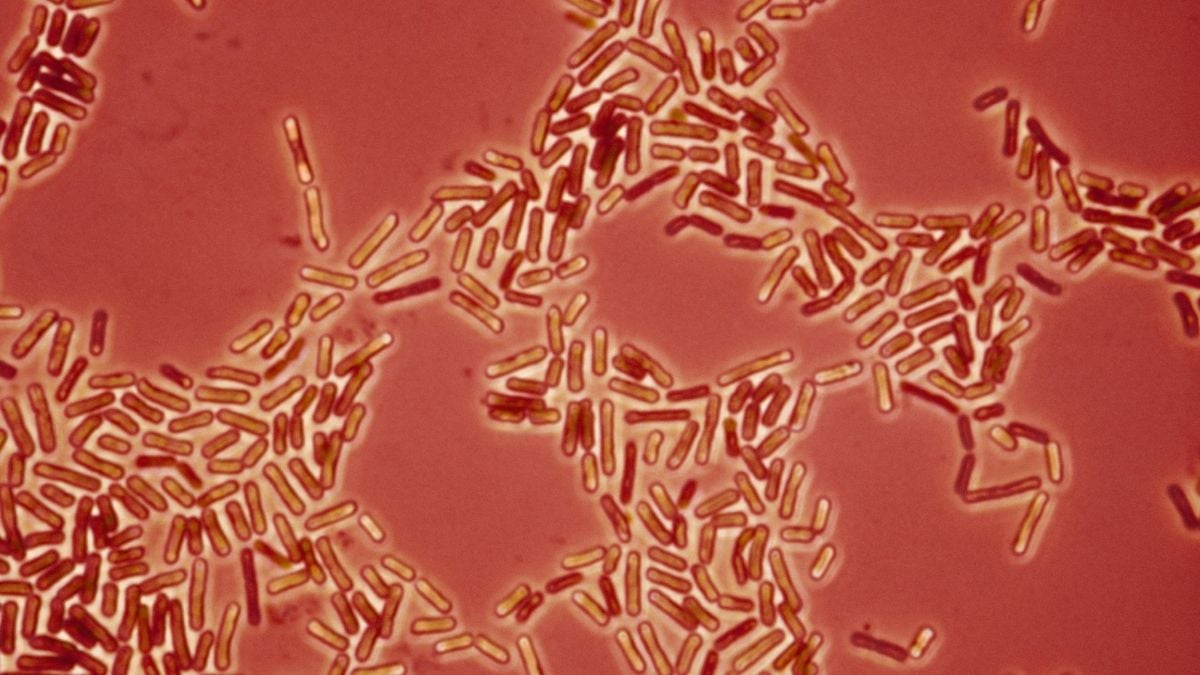
Scientists are raising concerns that drug-resistant bacteria, often referred to as superbugs, may be transferring between domestic pets and humans. While much attention has focused on the role of livestock in the spread of antimicrobial resistance, this new warning highlights the potential for companion animals to act as a reservoir and transmission vector. This transmission could occur through direct contact, such as petting or sharing living spaces, and potentially through contaminated environments. The implications of this cross-species spread are significant, as it could complicate efforts to control the growing global health crisis of antibiotic resistance. Further research is needed to fully understand the extent of this phenomenon and to develop strategies to mitigate the risk. The scientific community is urging for increased surveillance and awareness regarding the potential for superbugs to move between pets and their owners. This underscores the interconnectedness of human and animal health in the context of infectious diseases.
The emergence and spread of drug-resistant bacteria present a complex public health challenge that transcends traditional boundaries between human and animal medicine. This situation highlights the critical need for a 'One Health' approach, recognizing that the health of humans, animals, and the environment are interconnected. Focusing solely on livestock may overlook significant transmission pathways, such as those involving companion animals. Future strategies must incorporate comprehensive surveillance across all animal populations and their environments, alongside robust antibiotic stewardship programs in both veterinary and human healthcare. The potential for cross-species transmission necessitates a unified global response to preserve the efficacy of existing antimicrobial drugs and to spur the development of new ones.
AI-generated to prompt reflection — not editorial opinion, not advice, not a statement of fact. How this works.