Superheated Magma's Heat Prolongs Fluidity, Fuels Towering Lava Fountains
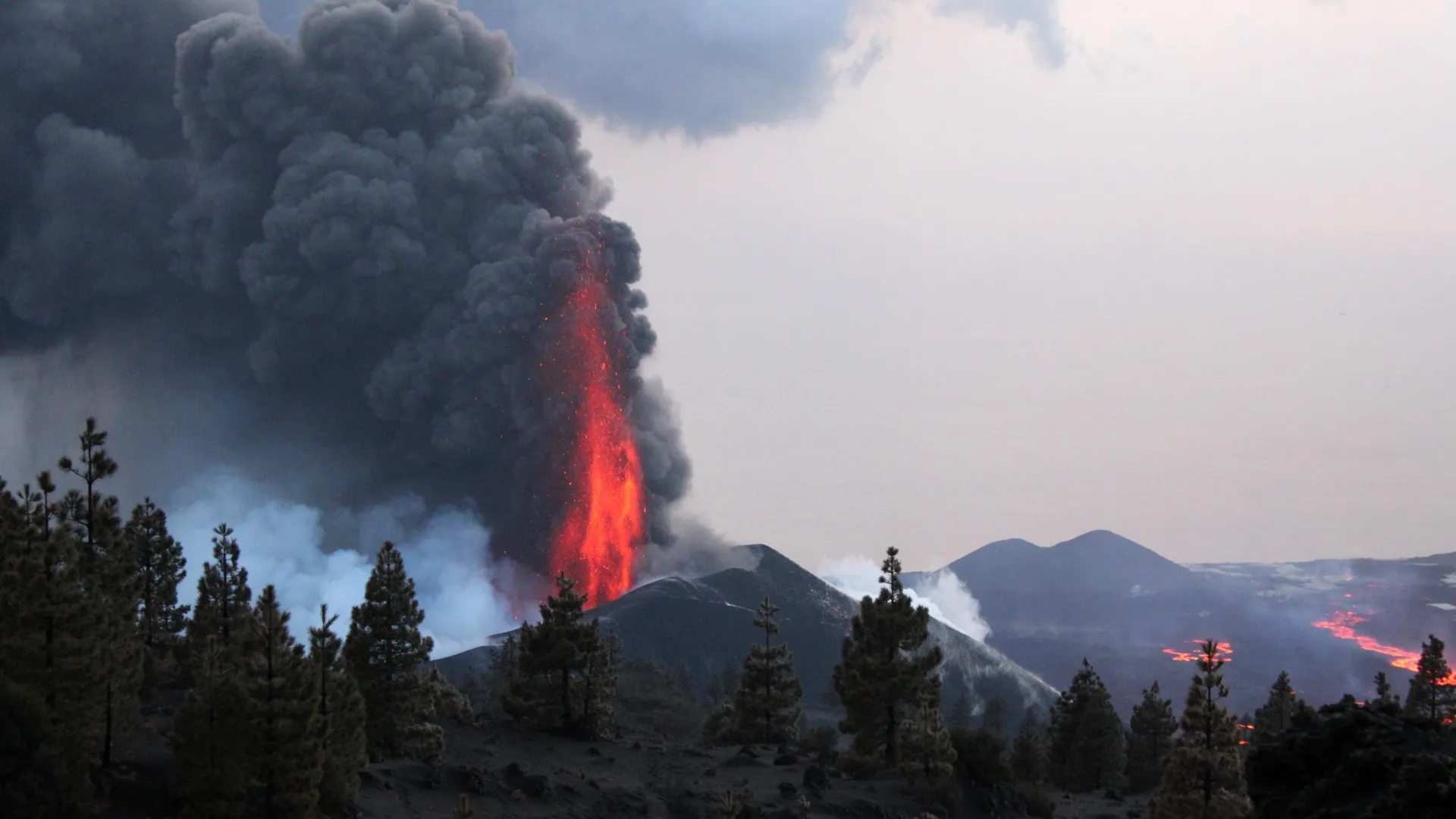
Scientists examining magma from the 2021 Tajogaite eruption on La Palma have uncovered a significant factor influencing volcanic eruption dynamics: extreme heat. Their research indicates that when magma reaches superheated temperatures, it can dissolve the microscopic crystal seeds that typically initiate crystallization. This process allows the molten rock to maintain its fluid state for an extended period as it ascends towards the surface. Consequently, this prolonged fluidity can lead to more dramatic eruption events, including towering lava fountains. The findings offer new insights into the complex behavior of volcanic eruptions and the critical role of temperature in magma rheology.
The study of magma behavior during the 2021 Tajogaite eruption highlights how extreme thermal conditions can fundamentally alter geological processes. By inhibiting crystallization, superheated magma's prolonged fluidity presents a key variable in predicting eruption intensity and duration. Understanding these temperature-dependent rheological shifts is crucial for developing more accurate volcanic hazard models. Future research could explore the broader implications of such thermal anomalies across different volcanic systems, potentially informing early warning systems and disaster preparedness strategies in seismically active regions.
AI-generated to prompt reflection — not editorial opinion, not advice, not a statement of fact. How this works.