Supermarket closures on Sundays in Espírito Santo lead to revenue drop, study finds
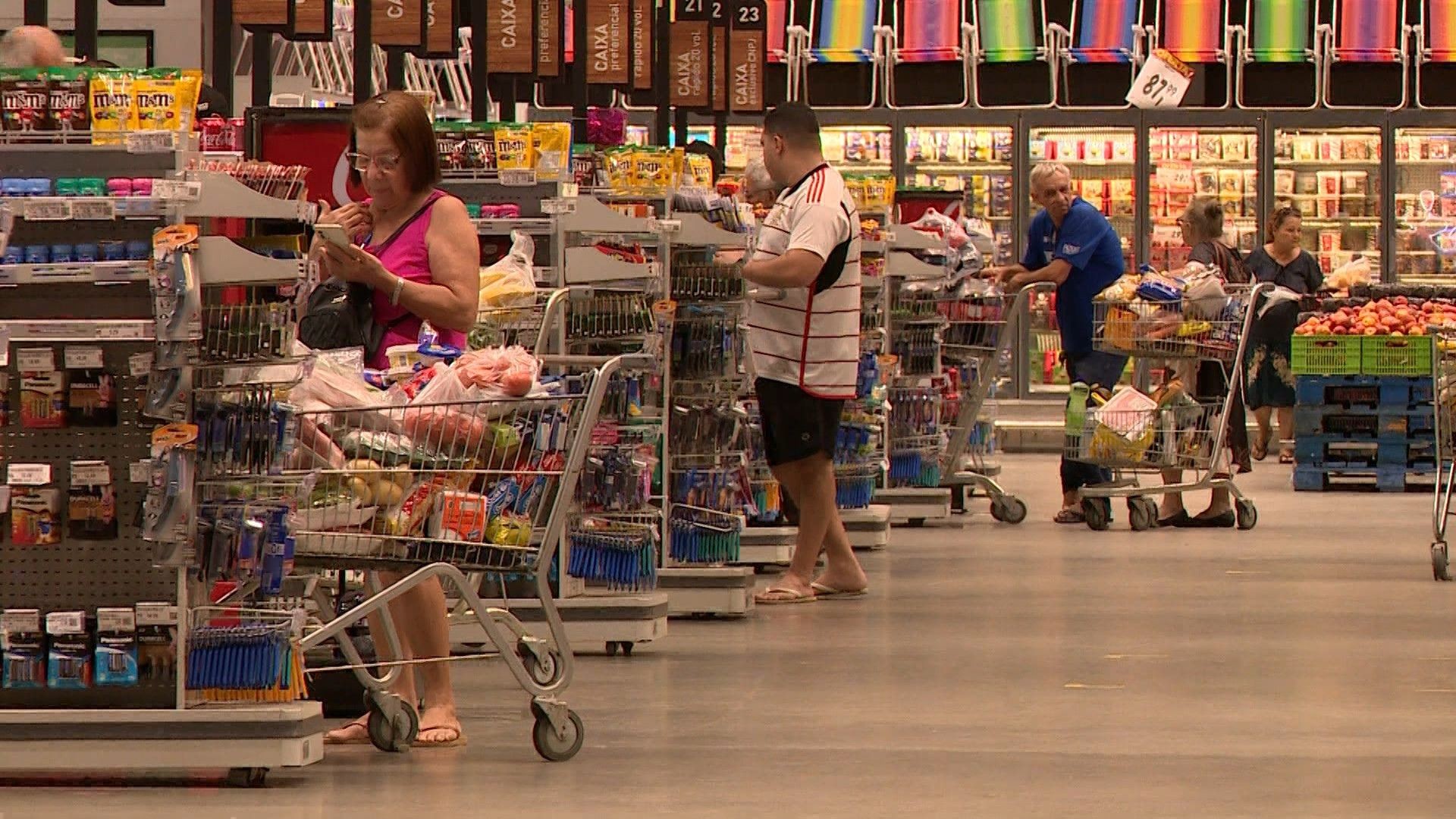
A study by market intelligence firm Scanntech reveals that supermarkets and wholesale stores in Espírito Santo (ES) have experienced a decline in revenue since the implementation of Sunday closures on March 1st. Prior to this measure, ES had seen food retail revenue growth exceeding the national average in January and February, with a 3% increase compared to 2.3% nationally. However, in March and April, following the new regulations, ES's food retail revenue fell by 1.3%, while the national average saw a 0.7% increase. This indicates a significant underperformance in the state's sector.
The study, based on sales data representing 64% of the ES market, suggests consumers have shifted their shopping habits, concentrating purchases on weekdays. Sales saw notable increases on Mondays (15%) and Tuesdays (25.3%) in March, and Wednesdays (14.8%) and Thursdays (34.3%) in April. Some product categories, such as perfumery, meats, and non-alcoholic beverages, were disproportionately affected, with consumers reportedly seeking these items from specialized stores like butcher shops and pharmacies. Wholesale stores, particularly smaller ones with one to four checkouts, bore the brunt of the impact, with revenue drops of 5.8% compared to a national decline of 0.7%. Smaller stores experienced a performance gap of 6.1 percentage points below the national average, while larger stores showed a minimal difference.
The reported revenue decline in Espírito Santo's food retail sector following Sunday closures highlights a direct correlation between operational restrictions and financial performance. This situation underscores the sensitivity of retail business models to changes in consumer access and purchasing patterns. The shift in consumer behavior, concentrating purchases on fewer days, suggests a potential for increased congestion and altered shopping experiences during the remaining operational days. Furthermore, the disproportionate impact on smaller businesses and specific product categories indicates that market adjustments are not uniform, potentially leading to competitive disadvantages for certain segments. Future policy considerations might need to balance public interest objectives with the economic viability of the retail sector, exploring alternative strategies that mitigate negative financial consequences while achieving desired societal outcomes.
AI-generated to prompt reflection — not editorial opinion, not advice, not a statement of fact. How this works.