Supermassive Black Hole Suspected of Halting Galaxy Star Formation
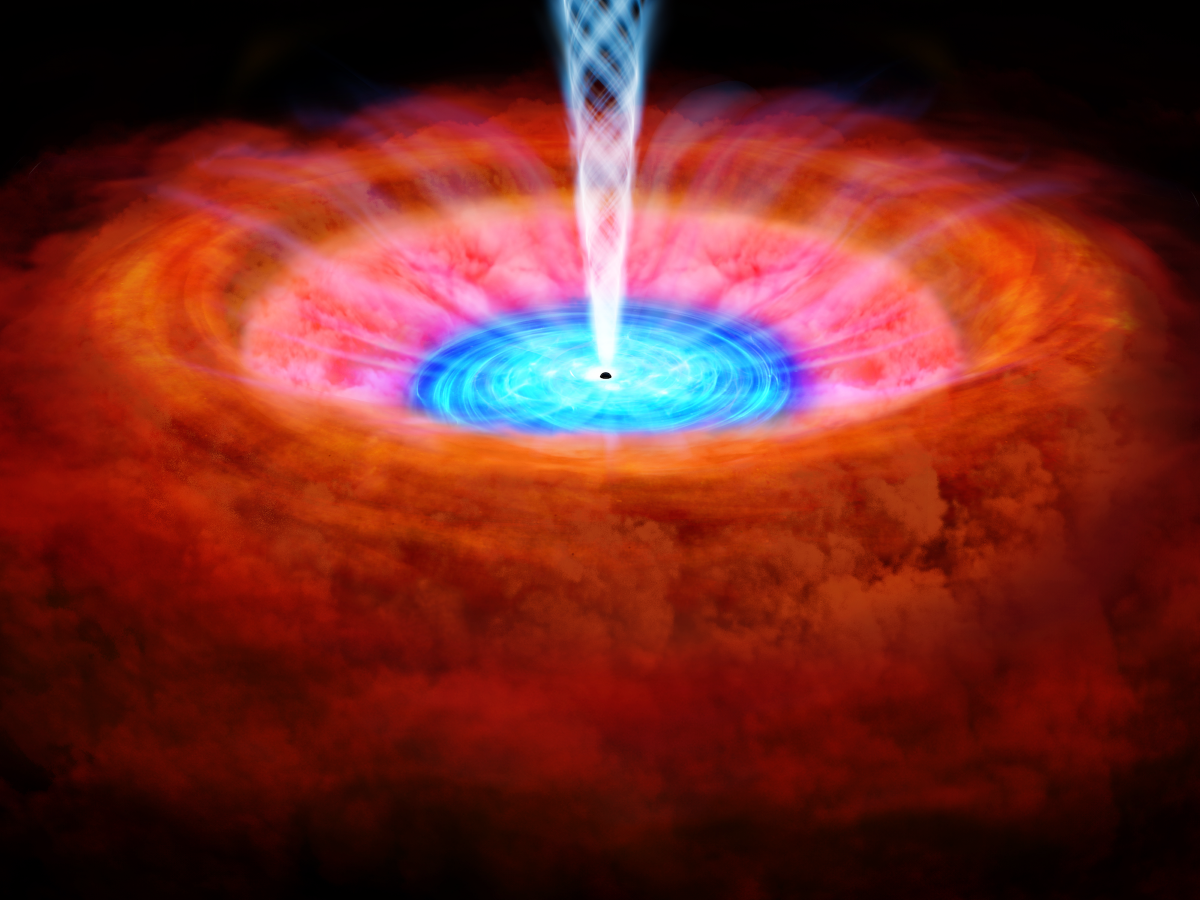
Massive galaxies in the universe are observed to have fewer stars than expected, which is peculiar given that star formation is a primary function of galactic growth. Xin "Cindy" Xiang, a researcher at the University of Michigan, proposes that supermassive black holes may be responsible for suppressing or "quenching" star birth in these galaxies. This phenomenon suggests an active role for black holes in regulating the evolution of their host galaxies. The research aims to understand the mechanisms by which these celestial objects can influence the gas reservoirs necessary for star formation. Identifying the precise methods of this suppression is crucial for a complete understanding of galaxy evolution across cosmic time. The implications of this discovery could reshape our models of how galaxies form and grow over billions of years.
The observation that massive galaxies appear to be star-starved challenges conventional models of galactic evolution, which typically emphasize gas accretion and internal processes as primary drivers of star formation. The hypothesis that supermassive black holes actively "quench" star formation suggests a feedback loop where the growth of the black hole directly impacts the gas supply available for stars. This perspective highlights the complex interplay between central supermassive black holes and their host galaxies, indicating that these objects are not merely passive inhabitants but active participants in galactic regulation. Understanding this mechanism is vital for refining cosmological simulations and predicting the future distribution of matter and star formation across the universe, particularly in the context of an accelerating expansion and the increasing dominance of dark energy.
AI-generated to prompt reflection — not editorial opinion, not advice, not a statement of fact. How this works.