Supernova Explosion on July 4, 1054, Created the Crab Nebula
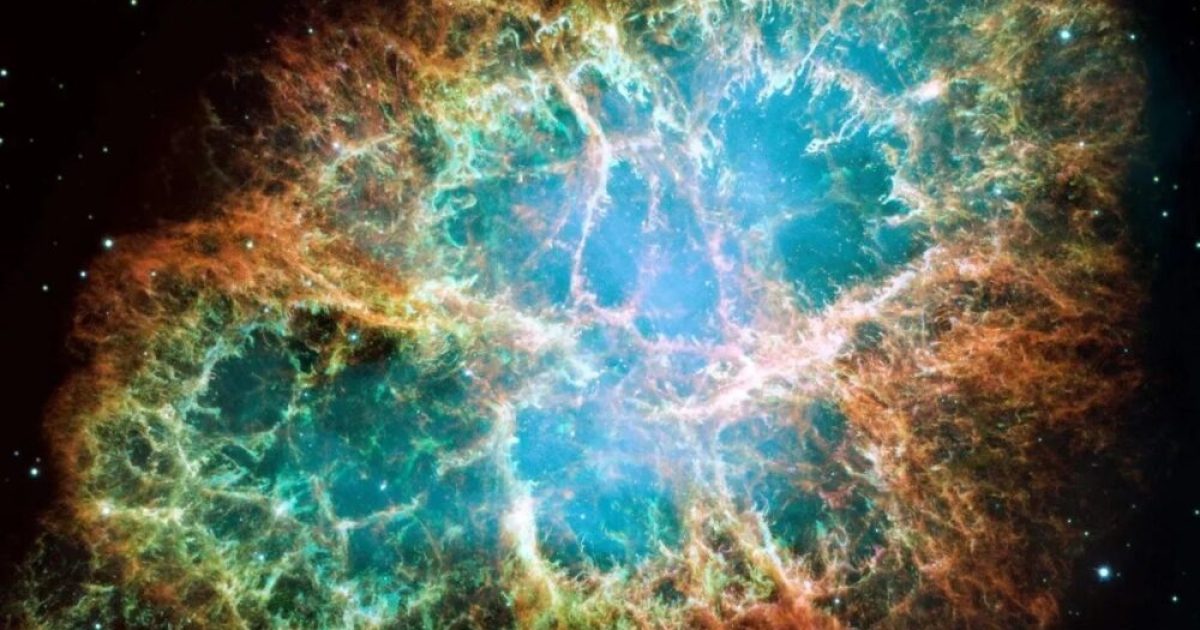
On July 4, 1054, a star estimated to be between nine and 11 times the mass of our Sun underwent a supernova explosion. This cataclysmic event resulted in the formation of the Crab Nebula. The celestial phenomenon was widely observed and documented by astronomers across the ancient world. Notable records of the supernova were made by observers in Japan, Korea, and Arab regions. Additionally, there is evidence suggesting that Anasazi Native American artists may have created a pictograph to commemorate this significant astronomical occurrence. The event marks a pivotal moment in cosmic history, leaving a visible remnant that continues to be studied by scientists today.
The observation of the 1054 supernova, recorded across diverse cultures from East Asia to the Middle East and potentially North America, highlights humanity's long-standing capacity for astronomical observation. This event underscores the interconnectedness of scientific discovery, transcending geographical and cultural boundaries even in antiquity. Analyzing such historical cosmic events provides a baseline for understanding stellar evolution and the universe's dynamic nature. In the context of the AI era, historical astronomical data, when properly cataloged and analyzed, can contribute to more robust predictive models for celestial phenomena and potentially inform our understanding of planetary habitability over cosmic timescales. The widespread observation also points to the importance of accessible and shared scientific knowledge across societies.
AI-generated to prompt reflection — not editorial opinion, not advice, not a statement of fact. How this works.