Superstition and Rituals Take Hold at the World Cup
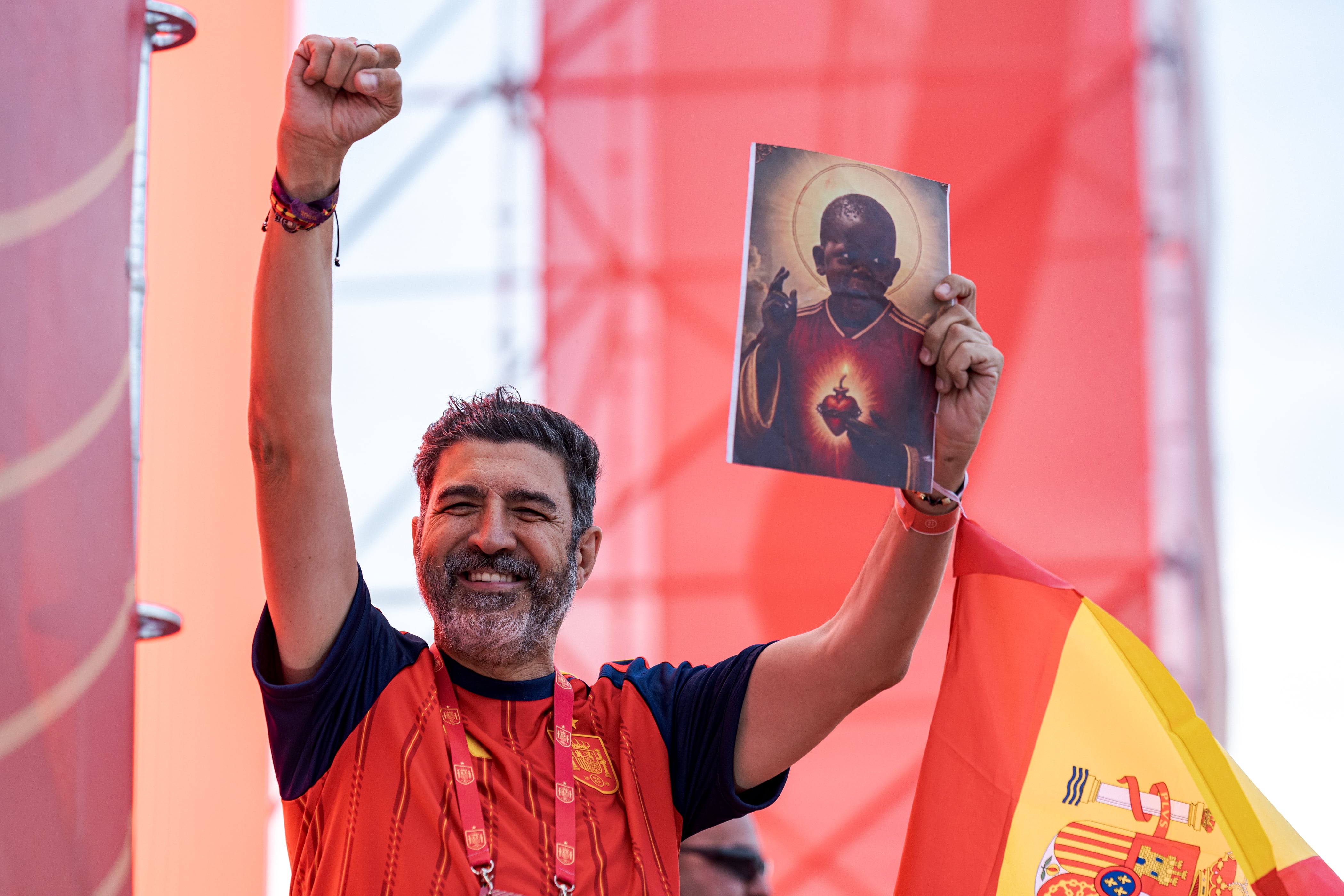
Superstitions and rituals are a common feature of the World Cup, with fans and players engaging in various practices to influence outcomes. These range from wearing specific socks to performing elaborate spells. Psychologist Pedro Raúl Montoro explains that these rituals stem from the human tendency to seek correlations and attempt to predict future events. He notes that the 'just in case' mentality is highly effective, as individuals feel they have nothing to lose by performing these actions and gain a sense of security. This psychological comfort helps manage the uncertainty inherent in competitive sports, particularly at a high-stakes event like the World Cup. The desire to control the uncontrollable often manifests in these deeply ingrained behaviors.
The prevalence of superstitions during high-stakes events like the World Cup highlights a fundamental human psychological response to uncertainty and the desire for control. In situations where outcomes are unpredictable and significant, individuals often seek tangible actions, however irrational, to create a sense of agency. This behavior, while offering psychological comfort, can obscure a rational assessment of probabilities and strategic planning. From a systems perspective, the focus on ritualistic behavior may divert attention and resources from more impactful, evidence-based preparation and performance enhancement strategies. As AI continues to offer more sophisticated predictive modeling and data-driven insights, the tension between intuitive, superstitious approaches and analytical, data-informed decision-making will likely become more pronounced across various fields.
AI-generated to prompt reflection — not editorial opinion, not advice, not a statement of fact. How this works.