Superworms Offer Novel Solution for Cleaning Delicate Museum Skeletons
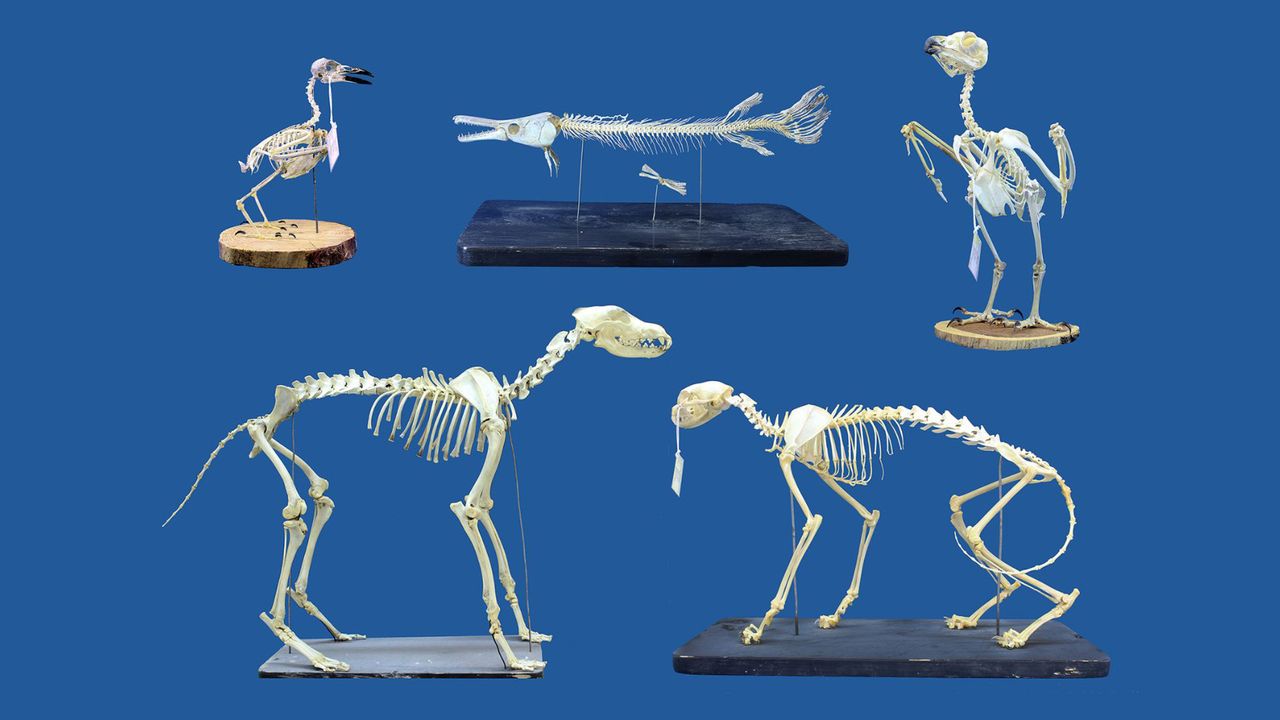
Biologists Niloofar Alaei Kakhki and Morteza Monfared have discovered a surprising new application for beetle larvae, commonly known as superworms. These larvae, typically used as pet food, possess the remarkable ability to clean extremely delicate skeletons with remarkable speed and precision. This breakthrough holds significant potential for museums and laboratories that often struggle with the meticulous and time-consuming task of preparing and preserving skeletal remains. The researchers were genuinely surprised by the effectiveness of the superworms in this capacity, indicating a potential paradigm shift in conservation techniques. This innovative approach could revolutionize how delicate biological specimens are handled, offering a more efficient and potentially less damaging method compared to traditional cleaning processes. The discovery suggests that repurposing readily available organisms like superworms could lead to cost-effective and highly specialized solutions for scientific and cultural heritage institutions.
The discovery of superworms' efficacy in cleaning delicate skeletons highlights an emerging trend of leveraging biological agents for specialized tasks within scientific and cultural institutions. This approach, moving beyond traditional chemical or mechanical methods, presents an opportunity to explore more sustainable and potentially less invasive conservation techniques. The success of this method prompts consideration of the broader implications of using insect larvae in laboratory and museum settings, including scalability, potential allergenic concerns, and long-term effects on specimen integrity. Future research may focus on optimizing the larvae's diet and environment to enhance their cleaning capabilities and ensure the preservation of fragile organic materials, aligning with broader goals of efficient resource utilization and innovative problem-solving in the face of evolving technological landscapes.
AI-generated to prompt reflection — not editorial opinion, not advice, not a statement of fact. How this works.