Superworms Show Promise for Efficient Skeletal Cleaning
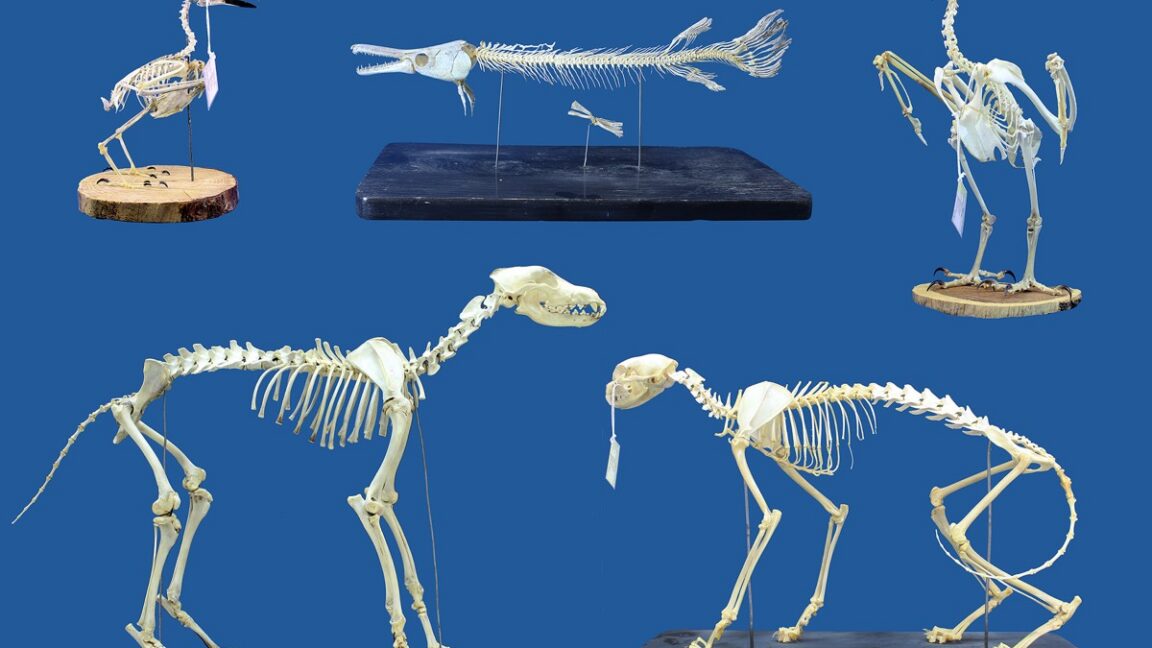
Superworms, specifically the larvae of the darkling beetle, are emerging as a potentially effective tool for cleaning skeletal remains. Researchers have identified an optimal ratio for this process, finding that using 10 to 15 grams of larvae per gram of specimen significantly minimizes the time required for cleaning. Crucially, this method has demonstrated no adverse effects on the bone structure, preserving the integrity of the specimens. This discovery could offer a more efficient and less damaging alternative to traditional methods of preparing skeletal material for study or display. The application of these larvae in forensic science and paleontology may streamline the process of analyzing ancient or crime scene remains. Further research could explore the specific enzymes or biological processes within the superworms responsible for their efficient cleaning capabilities. The potential for scalability and cost-effectiveness also warrants investigation as a significant advantage over current techniques.
The application of superworms for skeletal cleaning presents an innovative biological solution to a long-standing challenge in scientific research and forensics. This method leverages natural biological processes to achieve efficiency and preserve delicate specimens, potentially reducing the labor and time associated with traditional cleaning techniques. Evaluating this approach through a future-oriented lens, it highlights a broader trend towards utilizing bio-integrated solutions in various industries, moving away from purely mechanical or chemical interventions. The economic implications, including cost-effectiveness and scalability, will be critical factors in its widespread adoption. Furthermore, understanding the precise biological mechanisms at play could unlock further applications in biomaterials or waste decomposition, demonstrating the potential for unexpected technological advancements from ecological research.
AI-generated to prompt reflection — not editorial opinion, not advice, not a statement of fact. How this works.