Supreme Court Cancels Bail for Sonam Raghuvanshi in Raja Raghuvanshi Murder Case
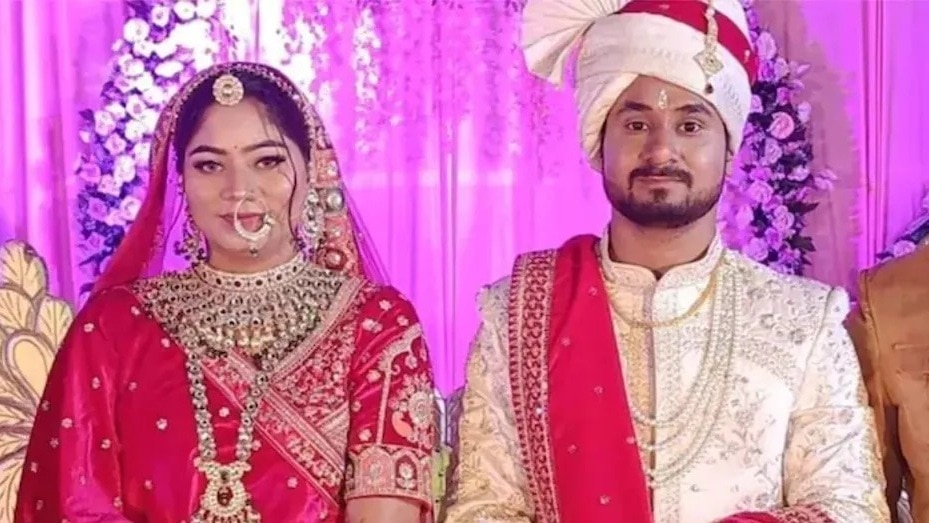
The Supreme Court of India has revoked the bail granted to Sonam Raghuvanshi, who is accused in the murder of Raja Raghuvanshi. The court has ordered her to surrender within three weeks. The Meghalaya government had challenged the bail previously granted to her. During the proceedings, Sonam Raghuvanshi's defense argued for her innocence, stating that the case relied solely on circumstantial evidence. However, the state government pressed for the cancellation of her bail. This decision represents a significant setback for Sonam Raghuvanshi in the ongoing legal proceedings related to the murder case. The court's directive for her surrender within a stipulated timeframe underscores the seriousness of the charges and the legal scrutiny she faces.
The Supreme Court's decision to cancel Sonam Raghuvanshi's bail highlights the critical role of appellate review in criminal justice. While the defense emphasized circumstantial evidence, the state's successful challenge suggests a re-evaluation of the grounds on which bail was initially granted. This outcome underscores the delicate balance between an individual's right to liberty pending trial and the state's interest in ensuring the integrity of the judicial process and preventing potential flight risks or interference with evidence. The ruling prompts consideration of how bail conditions are assessed and monitored, particularly in cases involving serious offenses where circumstantial evidence plays a significant role. Future legal strategies may need to more robustly address the state's concerns regarding the sufficiency of evidence and the accused's potential impact on the proceedings.
AI-generated to prompt reflection — not editorial opinion, not advice, not a statement of fact. How this works.