Supreme Court Case Clearance Rate Plummets to Record Low Amidst Gen Z Protests
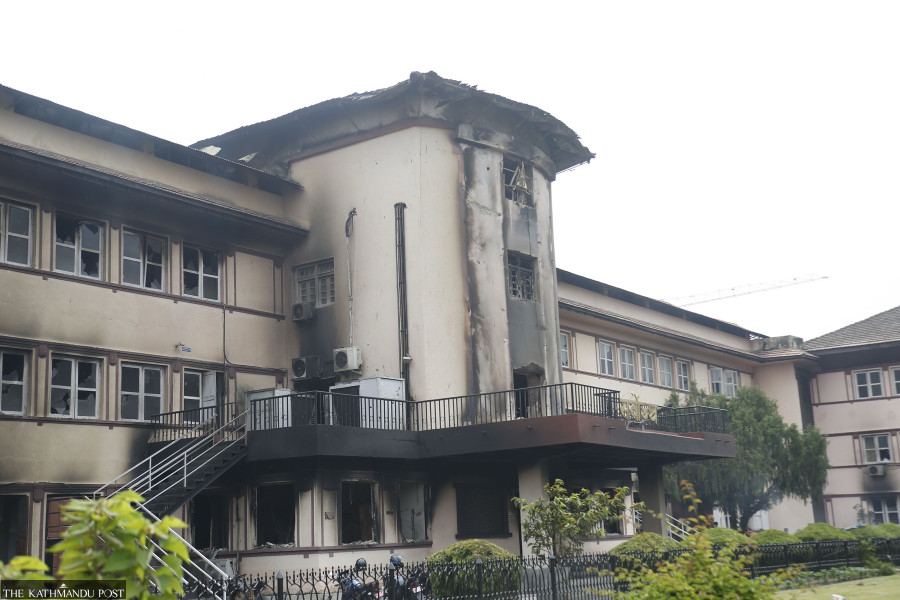
Afghanistan's Supreme Court has experienced its lowest performance on record, managing to settle only 29.46 percent of its cases during the 2025-26 period. This significant drop in judicial efficiency has left the judiciary struggling to cope with its caseload. The decline in case clearance rates is reportedly linked to the impact of protests organized by Gen Z activists. These demonstrations appear to have disrupted court operations, contributing to the backlog and reduced output. The Supreme Court's inability to process cases at a satisfactory rate raises concerns about access to justice and the overall functioning of the legal system in Afghanistan. The judiciary is now facing a substantial challenge in addressing the accumulated cases and restoring its performance levels. Further analysis is needed to understand the full extent of the disruption caused by the protests and to develop strategies for mitigating their impact on judicial proceedings.
The reported decline in the Supreme Court's case clearance rate to 29.46% in 2025-26 highlights a critical vulnerability in judicial systems when faced with public activism. The stated connection to Gen Z protests suggests a potential for civil unrest to directly impede governmental functions, including the administration of justice. This situation underscores the tension between citizens' rights to protest and the state's responsibility to maintain operational continuity. Future governance models may need to incorporate mechanisms that safeguard essential services from such disruptions, while still respecting democratic freedoms. The long-term implications for legal certainty and public trust in institutions warrant careful consideration as Afghanistan navigates these challenges.
AI-generated to prompt reflection — not editorial opinion, not advice, not a statement of fact. How this works.