Supreme Court Criticizes Police Use of Force During Student Protests
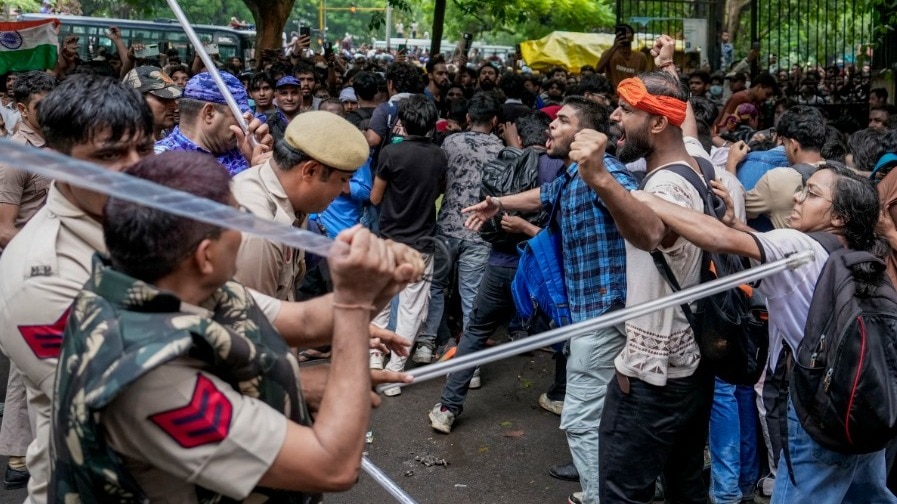
The Supreme Court has issued strong remarks regarding the alleged excessive use of force by the police during recent student movements. The court stated that a lathi-charge cannot be justified solely on the basis that a protest is occurring. This intervention by the judiciary highlights concerns about the proportionality of police actions when dealing with public demonstrations. The ruling emphasizes the right to protest while also implicitly setting boundaries on law enforcement's response. The Supreme Court's observation serves as a crucial reminder of the legal and ethical considerations governing police conduct during civil unrest. It underscores the importance of restraint and adherence to due process, even in situations involving public gatherings. The court's stance is expected to influence future policing strategies and the handling of dissent across the country.
The Supreme Court's intervention signals a critical juncture in the balance between public order and civil liberties in India. By questioning the justification of police action based solely on the presence of a protest, the court is reinforcing the fundamental right to assembly and expression. This ruling may prompt a review of police protocols, encouraging a more nuanced approach that prioritizes de-escalation and adherence to legal frameworks over immediate forceful responses. Over the next decade, as public discourse and digital mobilization continue to evolve, such judicial oversight will be crucial in safeguarding democratic spaces and ensuring that law enforcement actions remain proportionate and accountable, thereby preventing the erosion of constitutional freedoms.
AI-generated to prompt reflection — not editorial opinion, not advice, not a statement of fact. How this works.