Supreme Court Declines Urgent Hearing on Police Action Against Students
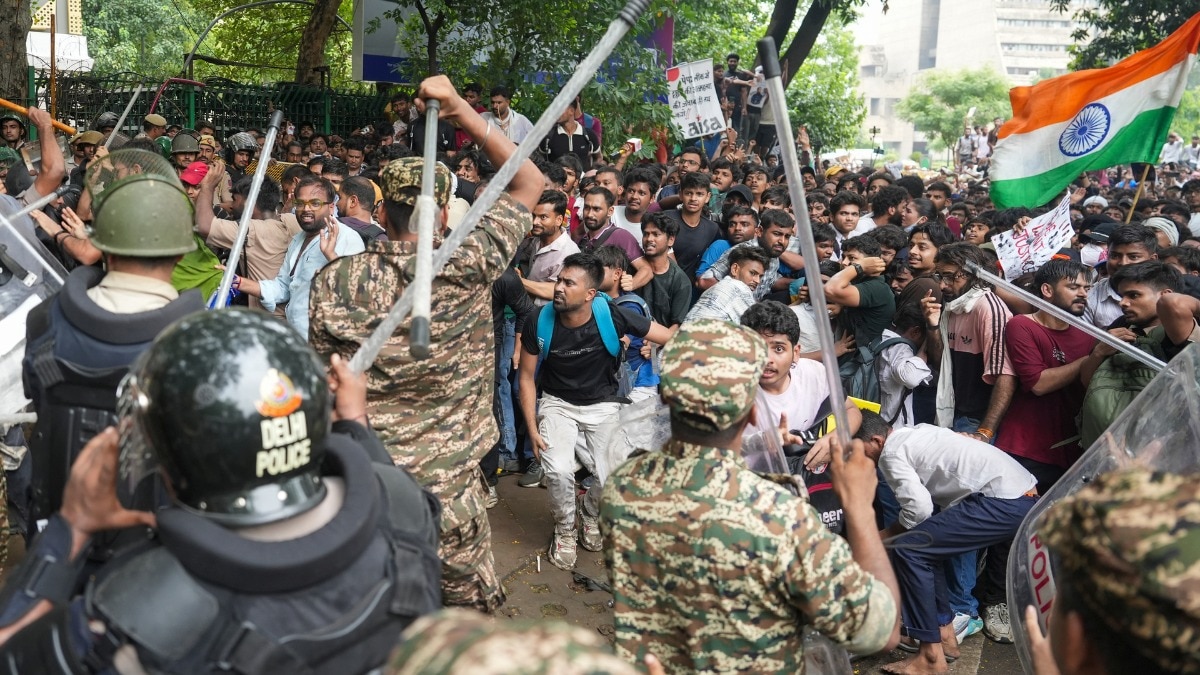
The Supreme Court of India has refused to grant an immediate hearing to a petition concerning alleged police action against student protesters. The petitioner's lawyer had requested the court to view video evidence and take suo motu cognizance of the matter. However, Chief Justice Surya Kant stated that the court did not have the time to watch the videos. The case involved allegations of police brutality during a demonstration, and the lawyer sought judicial intervention to address the situation promptly. The court's decision means the petition will not be heard on an expedited basis, and the parties will likely have to wait for a scheduled hearing. This refusal highlights the court's case management priorities and its assessment of the urgency required for immediate intervention.
The Supreme Court's decision to deny an urgent hearing on alleged police action against students, citing a lack of time to review video evidence, underscores the challenges in balancing immediate judicial intervention with the court's extensive caseload. This stance may reflect a broader institutional approach to case prioritization, potentially suggesting that such matters, while serious, do not meet the threshold for extraordinary immediate review unless compelling new evidence or a clear and present danger to fundamental rights is demonstrated. The ruling prompts consideration of the mechanisms available for addressing grievances against state actors, particularly when immediate judicial oversight is sought but not granted, and how such delays might impact the perceived accountability of law enforcement agencies.
AI-generated to prompt reflection — not editorial opinion, not advice, not a statement of fact. How this works.