Supreme Court Dismisses Challenges to No Contact Apprehension Program
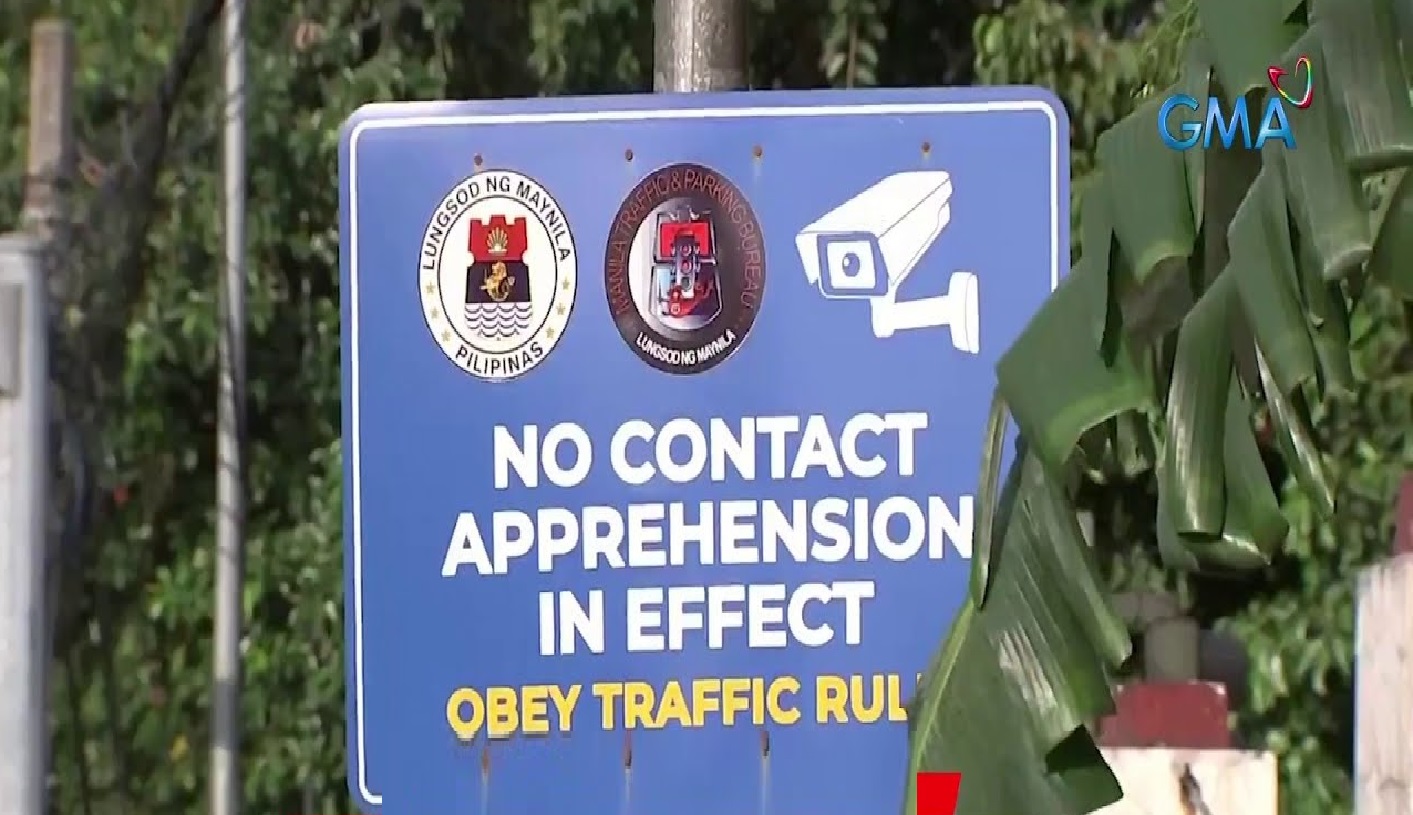
The Supreme Court of the Philippines has rejected consolidated petitions that sought to nullify the No Contact Apprehension Program (NCAP). This program is currently in operation across various local government units within Metro Manila. The court's decision effectively upholds the legality and implementation of the NCAP. The NCAP allows for the apprehension of traffic violators without direct physical interaction between law enforcers and drivers. This is typically done through the use of cameras and other surveillance technologies. The program aims to improve traffic discipline and reduce opportunities for corruption. The dismissal of the petitions means that the NCAP will continue to be enforced in the affected areas. Further details regarding the specific grounds for the dismissal have not yet been fully elaborated. The ruling is expected to impact traffic management strategies in the capital region.
The Supreme Court's dismissal of petitions against the NCAP signifies a judicial endorsement of technology-driven traffic enforcement. This ruling may incentivize further expansion of similar automated systems nationwide, potentially enhancing compliance and reducing human error or corruption in traffic management. However, it also raises ongoing considerations regarding data privacy, the accuracy of automated systems, and the accessibility of the appeals process for citizens. The long-term impact will depend on how effectively these programs are governed and how they integrate with broader smart city initiatives, balancing efficiency with civil liberties in the evolving digital landscape.
AI-generated to prompt reflection — not editorial opinion, not advice, not a statement of fact. How this works.