Supreme Court Ends Limits on Political Party Campaign Spending
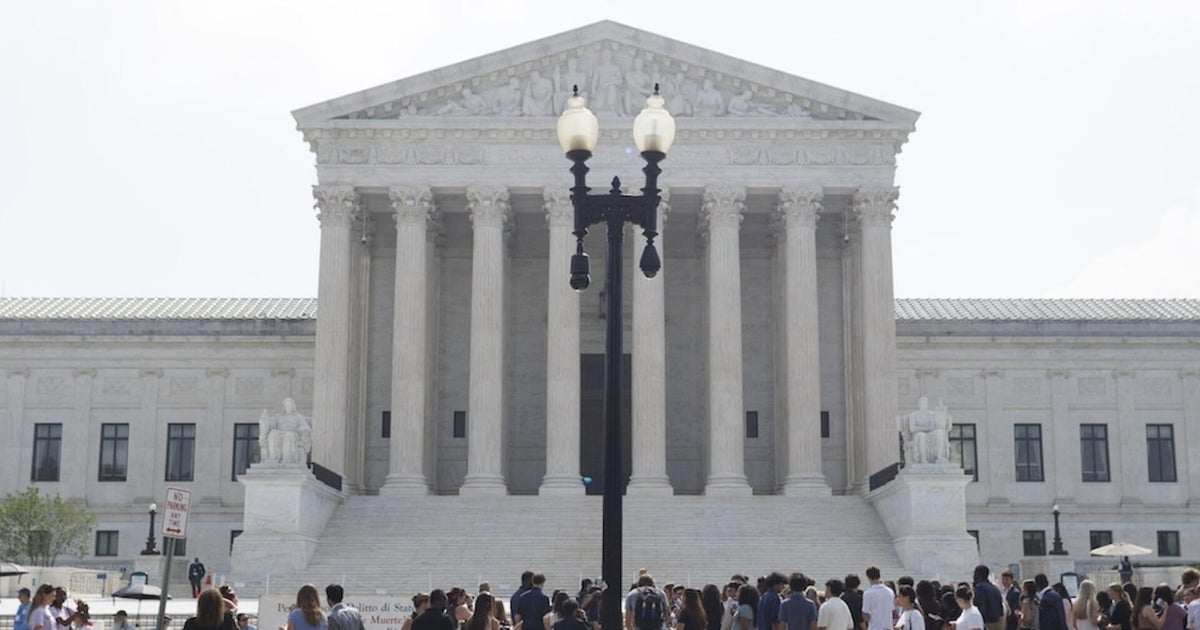
The U.S. Supreme Court has ruled to remove restrictions on the amount of money political parties can spend on congressional campaigns. This significant decision, made with a 6-3 vote, overturns limits previously established by the Federal Election Campaign Act. The majority of justices determined that these spending caps infringed upon the First Amendment's protection of free speech. This ruling comes just ahead of the midterm elections, potentially reshaping campaign finance dynamics. Legal expert Jessica Levinson provided further details on the implications of this decision. The Federal Election Campaign Act had been in place to regulate the flow of money in political contests. The Supreme Court's interpretation now prioritizes political spending as a form of protected expression. This change could allow parties to allocate substantially more resources to their candidates' efforts in federal races. The dissenting justices likely raised concerns about the potential for increased influence of money in politics.
The Supreme Court's decision to lift limits on political party spending reinterprets campaign finance law through a First Amendment lens, prioritizing free speech over concerns about corruption or the appearance of it. This ruling may foster greater direct party engagement in candidate promotion, potentially centralizing campaign resources and strategy. Over the next decade, this could lead to intensified competition and a further professionalization of political campaigns, driven by increased financial capacity. It also raises questions about the balance between robust political expression and ensuring equitable electoral processes, particularly as technological advancements continue to alter campaign communication and reach.
AI-generated to prompt reflection — not editorial opinion, not advice, not a statement of fact. How this works.