Supreme Court Hears Shiv Sena Name and Symbol Dispute
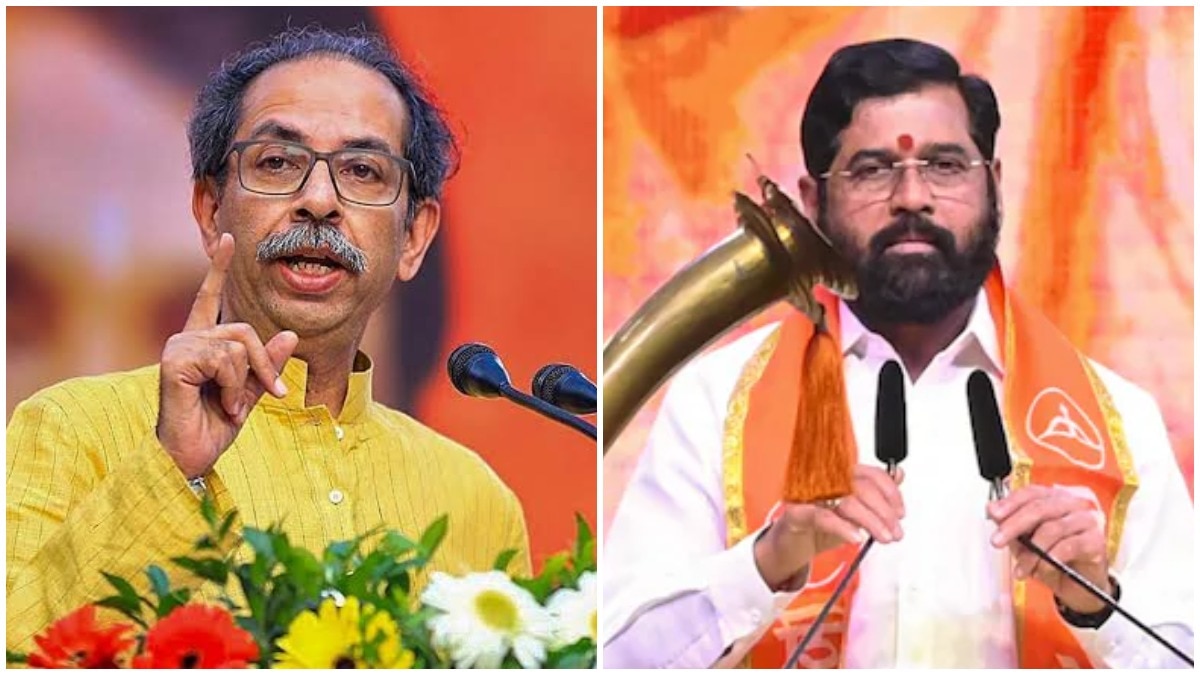
The Supreme Court of India has commenced hearings in the ongoing dispute over the Shiv Sena party's name and electoral symbol. Senior advocate Kapil Sibal, representing the Uddhav Thackeray faction, presented arguments concerning the anti-defection law and the conduct of the party's legislators. The case centers on the split within the Shiv Sena party and which faction is the legitimate representative. The proceedings are expected to clarify the legal standing of the factions and the application of constitutional provisions related to party defections. The court's decision will have significant implications for the future of the Shiv Sena and its political influence. The arguments presented by Mr. Sibal focused on the legal framework governing party discipline and the consequences of members defying the party's directives. This legal battle is crucial for establishing precedents in Indian political party disputes.
The Supreme Court's examination of the Shiv Sena dispute highlights the critical role of judicial oversight in resolving internal party conflicts, particularly those involving defections and leadership claims. The proceedings underscore the tension between maintaining party unity and respecting the democratic rights of elected representatives. As the AI era accelerates, the legal frameworks governing political parties will increasingly need to adapt to evolving governance models and the potential for digital influence on party structures. The case offers an opportunity to strengthen mechanisms that ensure accountability and prevent the fragmentation of political mandates, thereby fostering greater stability in democratic institutions.
AI-generated to prompt reflection — not editorial opinion, not advice, not a statement of fact. How this works.