Supreme Court mandates strict anti-harassment measures in educational institutions
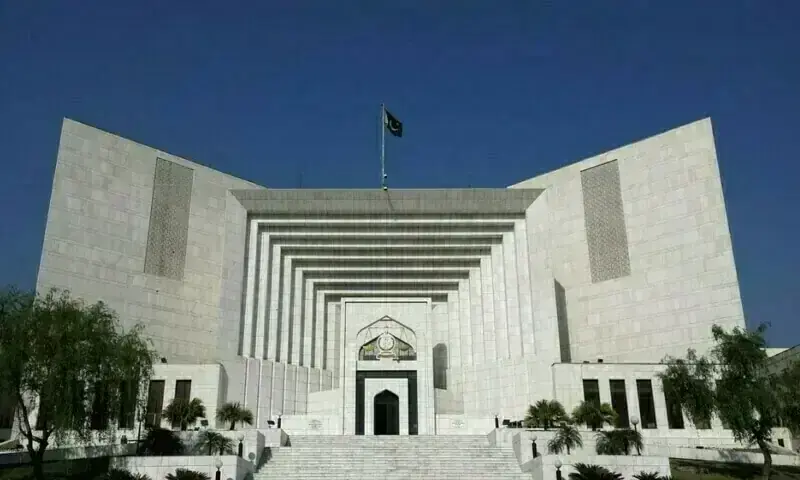
The Supreme Court of Pakistan has issued significant guidelines to educational institutions aimed at curbing sexual harassment, emphasizing the need for robust anti-harassment mechanisms and strict law enforcement. A two-judge bench, led by Justice Muhammad Ali Mazhar and including Justice Musarrat Hilali, reinstated a severe penalty for a government school headmistress, Shazia Iqbal, for gross negligence in protecting female teachers from harassment by a male colleague. The court found Iqbal, formerly the principal of the Government Special Education Centre in Faisalabad, negligent for overlooking the misconduct of special therapist Kamran Khan, who allegedly molested female teachers by blackmailing and pressuring them for illicit favors. The Supreme Court detailed various forms of sexual harassment, including unsolicited sexual remarks, catcalling, pressure for favors, and creating a hostile work environment, deeming them grave transgressions that violate dignity, ethics, and the educational atmosphere. The court's 12-page judgment highlighted that such behavior undermines the institution and hampers female teachers' ability to educate effectively. In its directives, the court mandated that all educational institutions establish clear internal harassment policies and effective reporting systems involving senior management. It stressed that departmental inquiries should be conducted independently, without necessarily waiting for ombudsperson decisions. The court also ordered the prominent display of the Code of Conduct for Protection against Harassment of Women at the Workplace in all institutions and the formation of in-house inquiry committees to handle complaints directly. Copies of the judgment were sent to federal and provincial education authorities to ensure elimination of sexual harassment at the grassroots level.
The Supreme Court's directive underscores a critical systemic failure in safeguarding educational environments, particularly for female educators. By reinstating a stringent penalty and mandating proactive institutional policies, the court addresses the pervasive issue of workplace harassment. This ruling highlights the tension between institutional hierarchy, which can shield perpetrators and enable negligence, and the fundamental right to a safe and dignified work environment. The emphasis on independent inquiries and direct reporting mechanisms seeks to decentralize accountability, moving beyond reliance on potentially compromised leadership. Looking ahead, the integration of AI-powered reporting and analysis tools could offer more objective and immediate support for victims, while also providing institutions with data-driven insights to identify and mitigate risks proactively, thereby fostering a culture of genuine safety and professional respect.
AI-generated to prompt reflection — not editorial opinion, not advice, not a statement of fact. How this works.