Supreme Court Orders Consolidation of Cases Against Property Investigation Commission
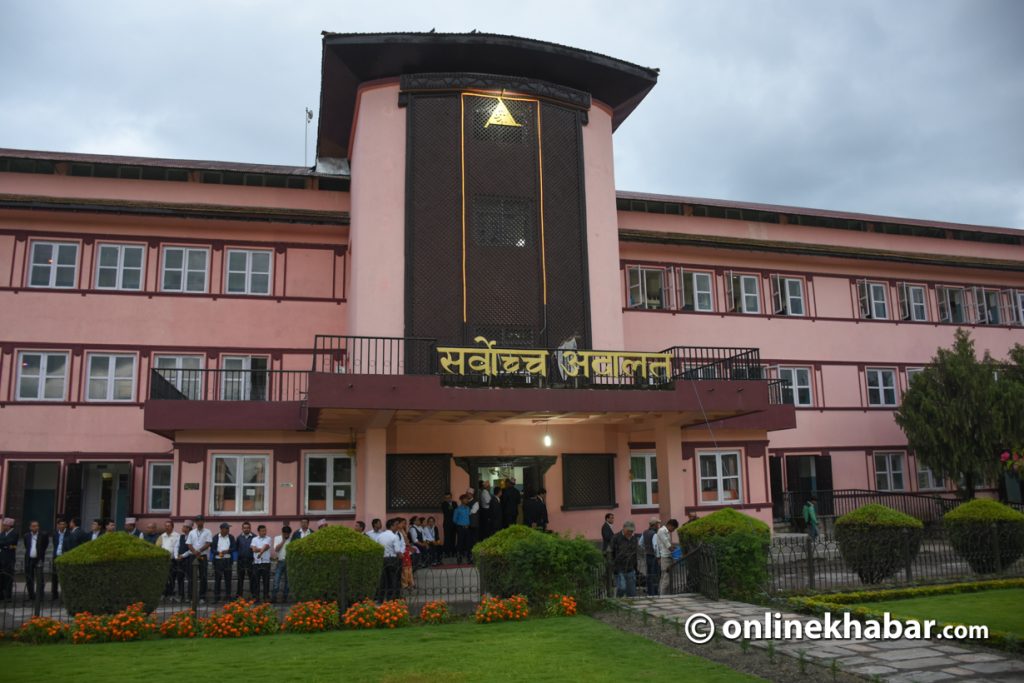
The Supreme Court of Nepal has ordered that all writ petitions filed against the Property Investigation Commission be presented together. This decision aims to streamline the legal process and ensure a cohesive review of the challenges brought before the court. The commission, tasked with investigating assets, has faced multiple legal challenges, prompting this consolidated approach by the judiciary. The Supreme Court's directive signifies a procedural step to manage the caseload efficiently. By grouping the petitions, the court intends to avoid contradictory rulings and expedite the examination of the commission's actions. This order reflects the court's commitment to judicial economy and the fair administration of justice. The specific details of the allegations within the writ petitions have not been disclosed in this report, but the consolidation suggests a significant number of legal challenges have been raised.
The Supreme Court's order to consolidate writ petitions against the Property Investigation Commission highlights a common judicial strategy for managing complex or numerous legal challenges. This approach aims to promote judicial efficiency, prevent conflicting judgments, and ensure a comprehensive review of the issues at hand. From a systemic perspective, such consolidation can lead to clearer legal precedents and a more predictable application of law concerning investigative bodies. In the context of Nepal's evolving governance and anti-corruption efforts, the commission's actions and the subsequent legal scrutiny are indicative of the ongoing tension between state investigative powers and individual rights, a dynamic likely to persist as technology and financial transparency evolve.
AI-generated to prompt reflection — not editorial opinion, not advice, not a statement of fact. How this works.