Supreme Court Orders Immediate Halt to Asset Investigation Activities
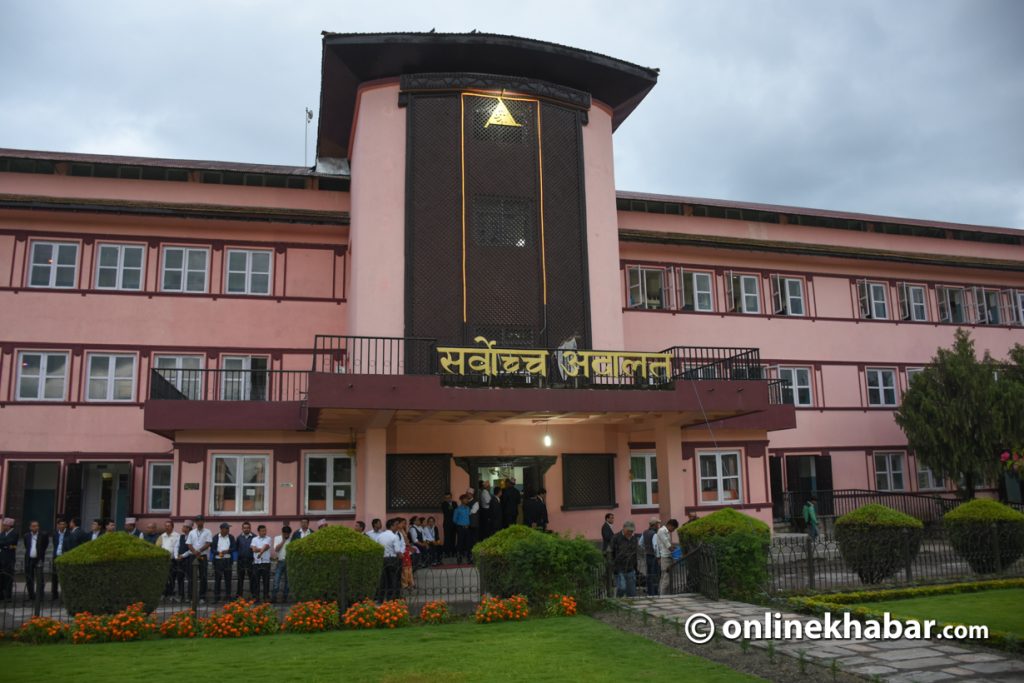
The Supreme Court of Nepal has issued an interim order directing the Commission for Investigation of Abuse of Authority (CIAA) to immediately suspend all its asset investigation activities. The order specifically applies to investigations concerning public officials and retired individuals. This directive was issued by a bench led by Justice Nripadhwaj Niraula. This is not the first time the Supreme Court has intervened; it had previously issued an interim order concerning the CIAA last Friday. The court's decision halts ongoing probes into the wealth of public figures and former officials, pending further review. The specific grounds for this latest order are not detailed in the provided text, but it signifies a significant pause in the anti-corruption agency's efforts. The commission's mandate includes investigating and prosecuting cases of corruption and abuse of authority among public servants. The implications of this suspension for accountability and transparency in public service are yet to be fully understood. This judicial intervention raises questions about the scope of the CIAA's investigative powers and the oversight mechanisms in place.
The Supreme Court's interim order to halt asset investigations by the CIAA, particularly concerning public officials and retired individuals, introduces a significant pause in anti-corruption efforts. This judicial intervention, following a previous order, suggests a potential conflict or question regarding the scope of the CIAA's mandate or procedural adherence. From a systemic perspective, such halts can impact public trust in institutions tasked with ensuring accountability. The long-term implications will depend on the clarity and eventual resolution provided by the judiciary, which could either strengthen oversight mechanisms or create avenues for evading scrutiny. This situation highlights the delicate balance between investigative powers, due process, and the imperative for transparency in public governance, especially in an era where digital footprints and financial transparency are increasingly critical.
AI-generated to prompt reflection — not editorial opinion, not advice, not a statement of fact. How this works.