Supreme Court Petition Filed for Health and Education Rights of Displaced Slum Children
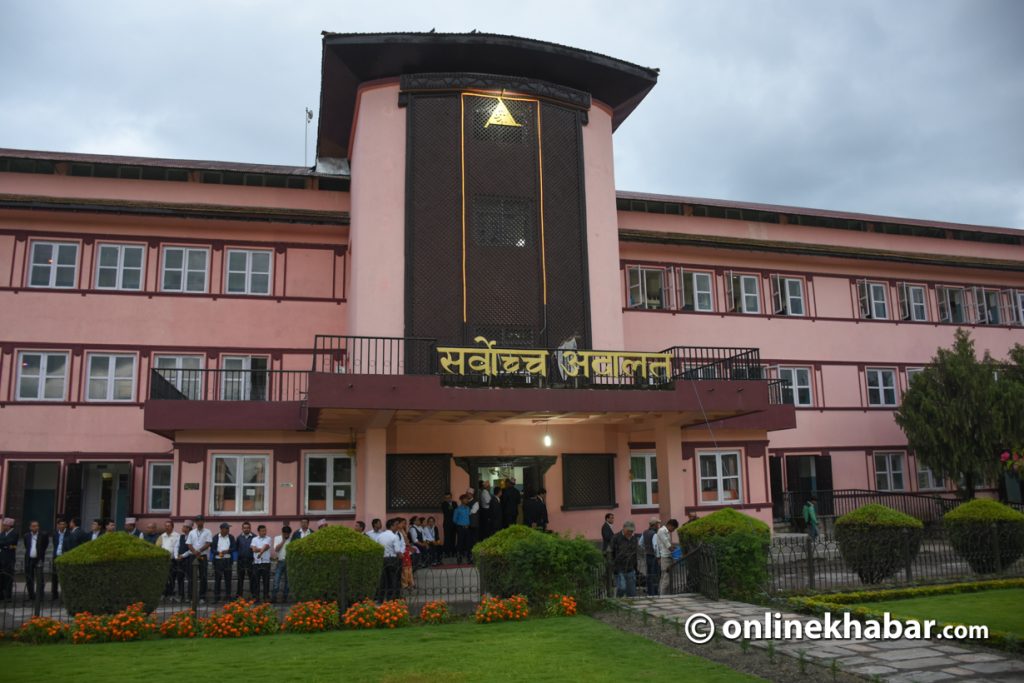
A writ petition has been filed at the Supreme Court of Nepal demanding the guarantee of health and education rights for children from displaced slum communities. The petitioners, Tilottoma Poudel and Varun Basnyal, filed the petition on Friday, naming the Office of the Prime Minister and Council of Ministers as the respondent. The petition invokes Articles 133(2) and 133(3) of the Constitution of Nepal, seeking a mandatory order. The legal action aims to ensure that these vulnerable children are not deprived of essential services due to their displacement. The petitioners argue that the state has a constitutional obligation to protect the fundamental rights of all citizens, including access to healthcare and education, regardless of their living situation. This case highlights the ongoing challenges faced by marginalized communities in accessing basic human rights in Nepal. The Supreme Court's decision will be crucial in setting a precedent for the protection of rights for displaced populations.
This legal challenge underscores the critical intersection of housing policy, social welfare, and fundamental human rights. By invoking constitutional provisions, the petitioners are pressing the state to uphold its duty of care towards displaced children, particularly concerning their health and education. The case highlights a systemic tension between urban development or land management initiatives and the protection of vulnerable populations. The Supreme Court's ruling will likely examine the government's capacity and commitment to providing essential services to all citizens, irrespective of their socio-economic status or residential circumstances. This could influence future policies on resettlement, social protection, and the enforcement of children's rights in the face of displacement, prompting a re-evaluation of how development goals align with constitutional guarantees and international human rights standards.
AI-generated to prompt reflection — not editorial opinion, not advice, not a statement of fact. How this works.