Supreme Court Questions Center's Stance on CEC Appointment Process
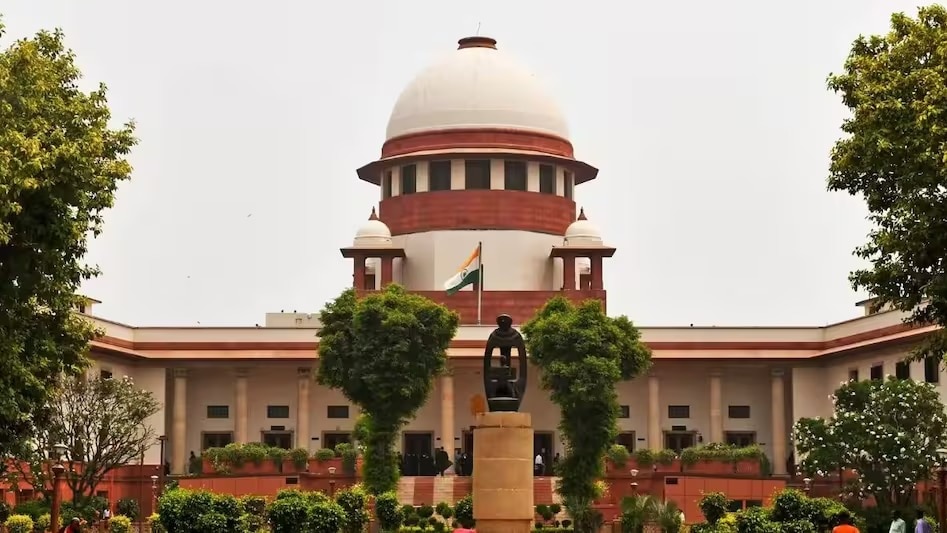
During a Supreme Court hearing concerning the appointment process for the Chief Election Commissioner (CEC), the central government argued that the selection panel should trust the Prime Minister, and the inclusion of the Chief Justice of India (CJI) is not necessary. The government's stance suggests that the Prime Minister's judgment within the panel should be sufficient. However, the Supreme Court clarified that the issue is not about a lack of trust in the Prime Minister. Instead, the court emphasized that the focus is on ensuring fairness and transparency in the appointment procedure. This implies that the court seeks a process that is demonstrably impartial and open to public scrutiny. The exchange highlights a potential tension between executive discretion and judicial oversight in the selection of key constitutional officeholders.
The central government's argument for excluding the Chief Justice of India from the Chief Election Commissioner selection panel, prioritizing trust in the Prime Minister, presents a governance challenge. While executive appointments often rely on the Prime Minister's discretion, the judiciary's emphasis on fairness and transparency aims to safeguard institutional integrity. This dynamic reflects a broader tension between efficient decision-making and robust checks and balances, particularly for roles critical to democratic processes. The court's perspective suggests that perceived impartiality, rather than just the existence of trust, is crucial for public confidence in electoral bodies. Looking ahead, the evolution of such appointment mechanisms will likely be shaped by the increasing demand for accountability and the need to fortify democratic institutions against potential political influence in an era of evolving information landscapes.
AI-generated to prompt reflection — not editorial opinion, not advice, not a statement of fact. How this works.