Supreme Court Refuses Ban on Mahaprabhu Jagannath Film, Cites Art Freedom
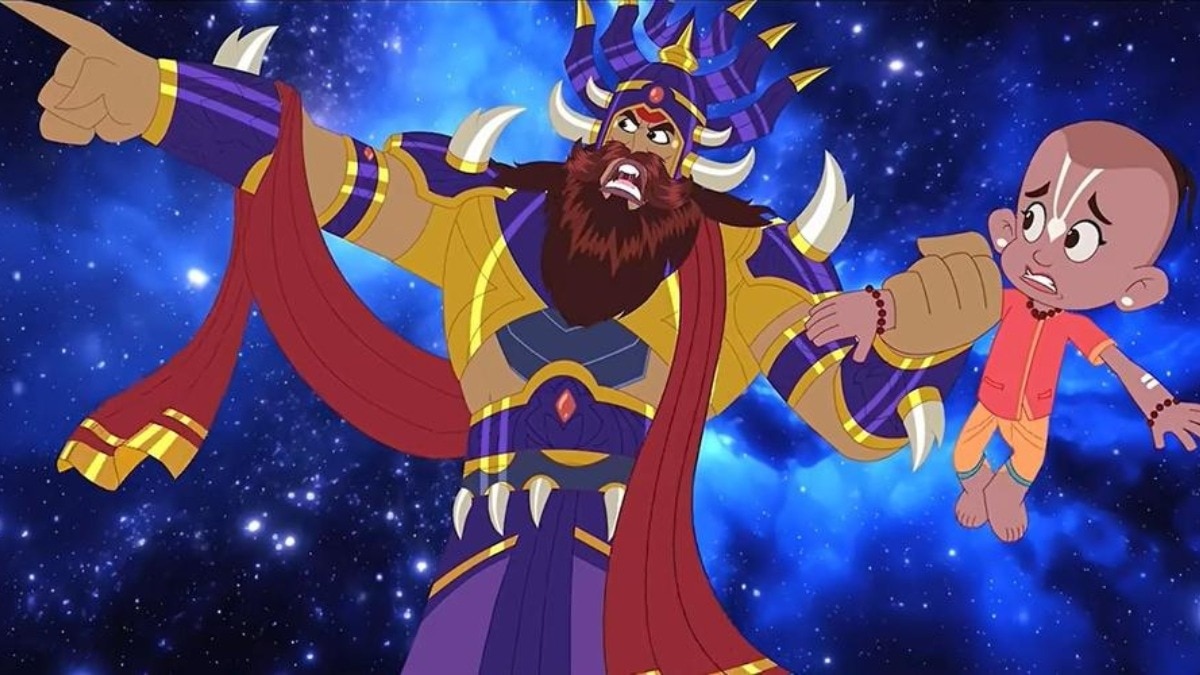
The Supreme Court of India has issued a significant ruling regarding the film 'Mahaprabhu Jagannath'. The court has denied a request to halt the film's release, emphasizing the importance of artistic freedom. Judges stated that if artistic works are consistently banned based on religious sentiments, it could set a dangerous precedent. Such a scenario would make it challenging to create films and television shows based on revered religious epics like the Ramayana and Mahabharata. The decision underscores the judiciary's role in protecting creative expression against potential overreach driven by public sentiment.
The Supreme Court's decision highlights a critical tension between religious sentiment and freedom of artistic expression. By invoking iconic religious narratives like the Ramayana and Mahabharata, the court frames the issue as one of broader cultural and creative preservation. This perspective suggests that unchecked censorship based on subjective offense could stifle the development of diverse cultural content. The ruling implicitly encourages a more robust public discourse on where to draw the line between protecting religious sensibilities and upholding fundamental rights to speech and art, particularly in the digital age where content dissemination is rapid and widespread. The long-term implication may involve evolving legal frameworks to balance these competing interests more effectively.
AI-generated to prompt reflection — not editorial opinion, not advice, not a statement of fact. How this works.