Supreme Court Rules: Marriage to a Foreign National Cannot Deny Ancestral Citizenship
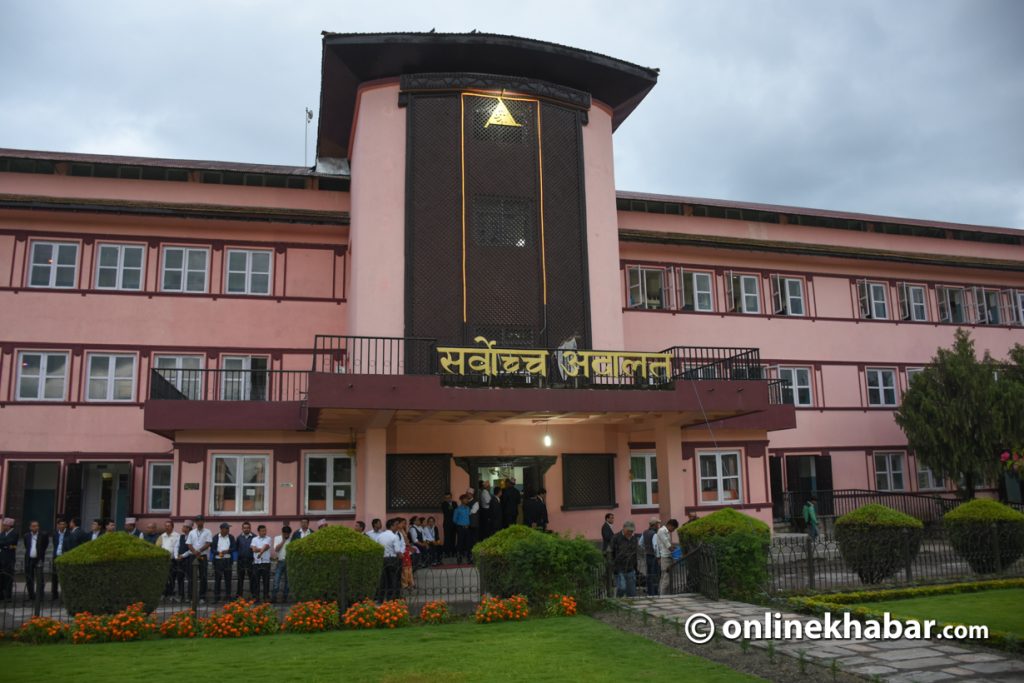
The Supreme Court of Nepal has ruled that a daughter born to Nepali parents cannot be denied ancestral citizenship solely because she married a foreign national. This landmark decision addresses a constitutional dispute concerning citizenship rights. The court's interpretation clarifies that the act of marrying a non-Nepali citizen does not, in itself, disqualify an individual from their birthright to ancestral citizenship. This ruling aims to uphold the principle that citizenship is a fundamental right, not to be arbitrarily revoked based on marital status. The decision is expected to impact many Nepali women who have married foreign nationals and faced challenges in retaining their ancestral citizenship.
This Supreme Court ruling addresses a potential conflict between national citizenship laws and gender equality principles. By decoupling ancestral citizenship from the nationality of a spouse, the court reinforces the idea that citizenship is an individual right tied to birth and parentage, rather than being contingent on marital choices. This decision aligns with international trends that seek to ensure women's rights are not diminished by marriage. The ruling may prompt a review of existing legal frameworks to ensure consistency with this interpretation, potentially strengthening the legal standing of individuals in similar situations and promoting greater gender equity within the citizenship framework.
AI-generated to prompt reflection — not editorial opinion, not advice, not a statement of fact. How this works.