Supreme Court Ruling Ends TPS for Thousands of Migrants in the US
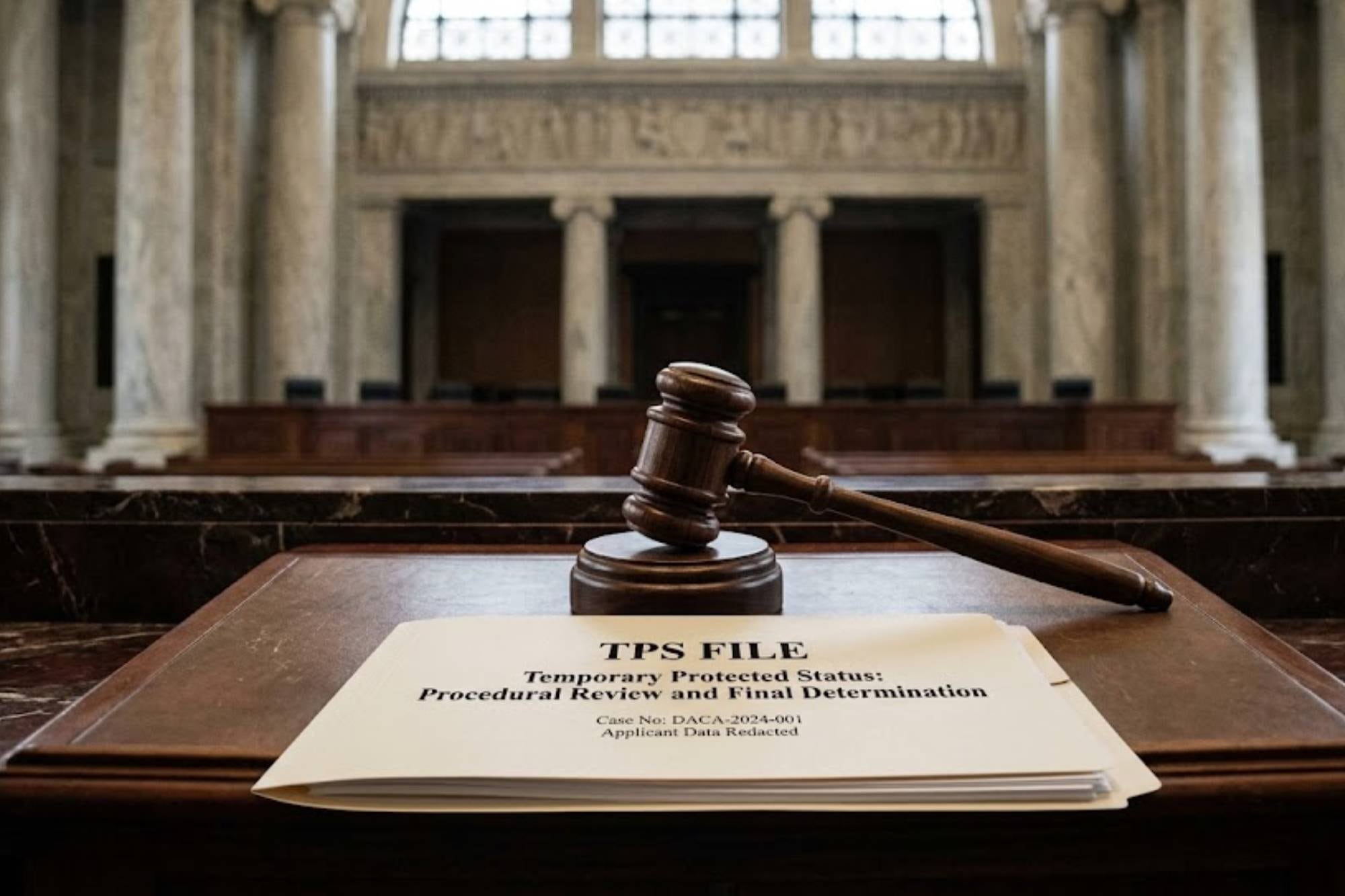
A recent Supreme Court decision has terminated the Temporary Protected Status (TPS) for thousands of migrants residing in the United States. This ruling significantly alters the immigration landscape for those who have relied on TPS for legal status and protection. The implications of this decision are far-reaching, potentially affecting the lives and stability of a large number of individuals and families.
The termination of TPS means that individuals who previously held this status are no longer permitted to remain in the U.S. legally under its provisions. This could lead to increased deportations and a loss of the protections that TPS offered, such as work authorization and freedom from removal. The specific number of migrants affected is estimated to be in the thousands, though the exact figure may vary depending on ongoing legal challenges and individual circumstances.
This development raises critical questions about the future of these migrants and the broader U.S. immigration policy. Advocates for immigrant rights are likely to seek alternative legal pathways or push for legislative solutions to address the situation. The ruling underscores the precariousness of temporary immigration statuses and the significant impact of judicial decisions on vulnerable populations.
The Supreme Court's decision to end TPS for thousands of migrants highlights the inherent instability of temporary immigration designations within the U.S. legal framework. This ruling underscores the tension between humanitarian considerations and national immigration policy, potentially creating significant social and economic disruption for affected individuals and communities. Future policy debates may need to address the long-term viability of such temporary statuses and explore more permanent solutions to accommodate individuals who have established lives and contributed to the U.S. economy over extended periods. The decision also prompts reflection on the role of the judiciary in shaping immigration outcomes and the potential for legislative action to provide greater certainty for long-term residents.
AI-generated to prompt reflection — not editorial opinion, not advice, not a statement of fact. How this works.