Supreme Court Ruling Halts Insurers' Premium Share Issuance
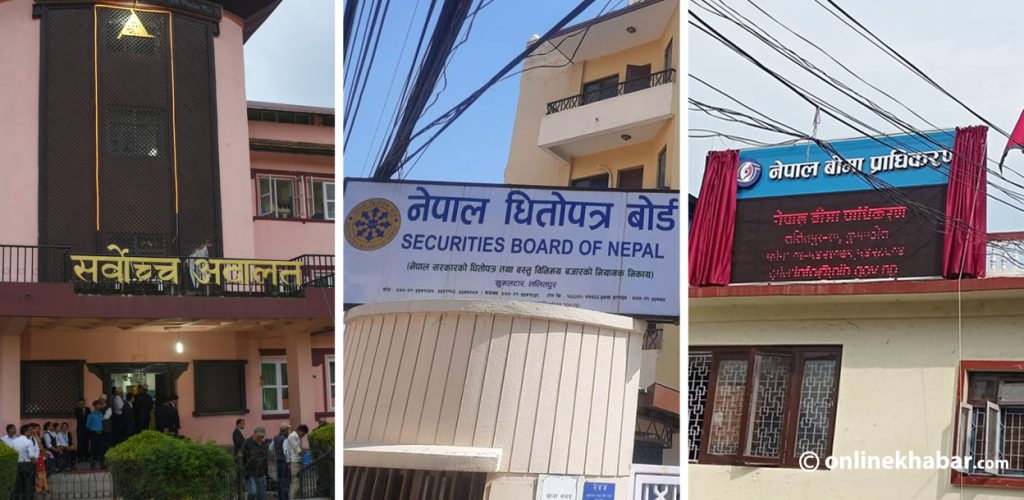
Nepal's Supreme Court has ruled that insurance companies cannot issue shares at a premium. The court determined that the Securities Board and the Insurance Authority acted unlawfully by allowing the sale of shares at a premium, despite no provision for it in the Insurance Act. This decision stems from a case where the legality of such share issuances was questioned. The ruling clarifies that premium share issuance is not permitted under the existing legal framework. Consequently, insurance companies will need to adjust their financial strategies and capital-raising plans. The court's directive emphasizes the importance of adhering strictly to legislative provisions when dealing with financial instruments and corporate actions. This judgment is expected to have significant implications for the capital markets and the operational procedures of insurance companies in Nepal.
The Supreme Court's decision underscores a critical governance gap where regulatory bodies appear to have permitted practices not explicitly sanctioned by primary legislation. This ruling highlights the imperative for regulatory clarity and strict adherence to statutory law, particularly in financial markets. Moving forward, insurance companies and their regulators must ensure that all capital-raising activities align precisely with legislative intent. This event may prompt a review of existing regulations and potentially lead to amendments to the Insurance Act or related securities laws to either accommodate or explicitly prohibit premium share issuances, depending on policy objectives concerning market development and investor protection in the evolving financial landscape.
AI-generated to prompt reflection — not editorial opinion, not advice, not a statement of fact. How this works.