Supreme Court ruling opens door for private media to receive government ads
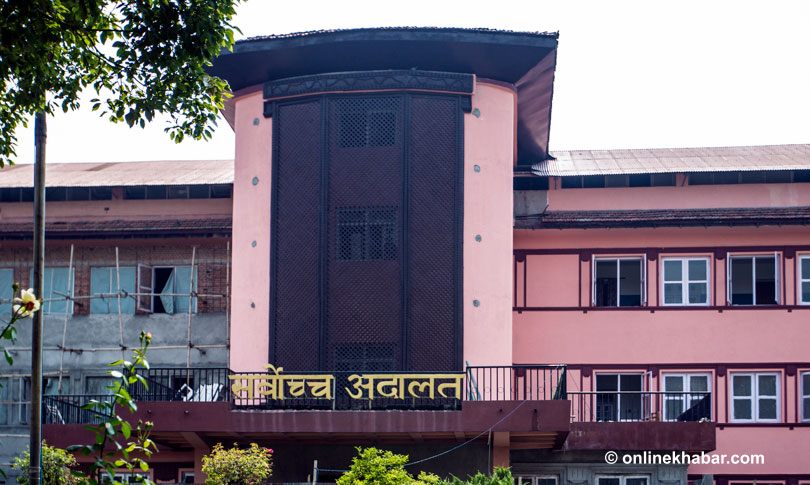
Following a Supreme Court order, government bodies in Nepal will now be permitted to place advertisements in private media outlets, a significant shift from the previous one-door policy. This decision effectively ends the restriction that channeled government advertising exclusively through state-owned media. However, the issue of advertisements related to public procurement remains under judicial review, with a pending case before the court. The exact implications for the advertising revenue of private media organizations are yet to be fully determined, but the ruling is expected to provide a substantial boost. This development marks a potential turning point for the financial sustainability of independent media in Nepal. The court's directive aims to foster a more competitive media landscape. Further clarification on public procurement advertising is anticipated as the legal process unfolds.
The Supreme Court's decision to dismantle the one-door policy for government advertising signals a move towards a more equitable distribution of state resources within the media sector. This policy shift could enhance the financial viability of private media outlets, fostering greater independence from government control and potentially leading to more diverse reporting. By opening access to government advertising, the ruling addresses potential market inefficiencies and promotes competition. However, the ongoing litigation regarding public procurement advertisements indicates that the transition may not be entirely seamless, and the full scope of media access to government funds is still being defined through the legal system. The long-term impact will depend on how effectively these new channels are utilized and regulated, and whether they contribute to a genuinely pluralistic media environment.
AI-generated to prompt reflection — not editorial opinion, not advice, not a statement of fact. How this works.