Supreme Court's Environmental Clearance Strictness: A Boon for Ecology, But What About Development?
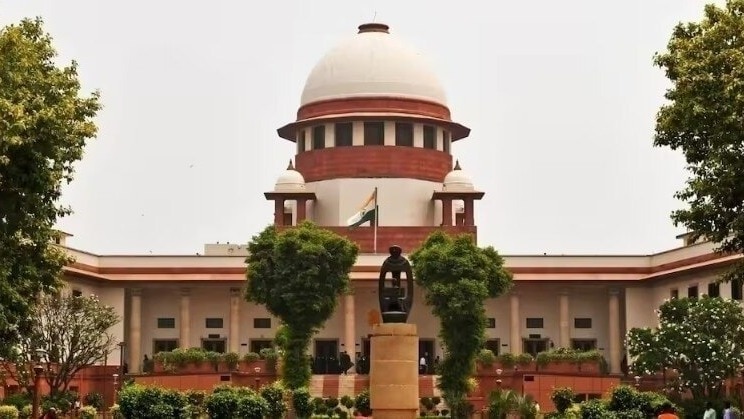
The Supreme Court's recent stringent stance on environmental clearances has raised concerns about the pace of development in India. While prioritizing ecological protection is crucial, the potential impact on economic progress needs careful consideration. Countries like the United States and China, which prioritized industrialization and economic growth, often overlooked stringent environmental regulations during their developmental phases. Consequently, they achieved significant economic power, though their current carbon emissions and resource depletion figures remain considerably higher than India's. This historical context suggests a potential trade-off between rapid industrialization and environmental preservation. The court's decision, while aligned with global environmental imperatives, may necessitate a re-evaluation of India's development strategies to ensure a balanced approach.
The Supreme Court's emphasis on environmental clearances reflects a growing global imperative to balance economic development with ecological sustainability. Historically, many developed nations prioritized industrial growth, leading to significant environmental consequences that are now being addressed. India faces a similar challenge, where stringent environmental regulations, while necessary for long-term planetary health, could potentially slow down immediate economic expansion. The nation's policy framework must navigate this complex interplay, seeking innovative solutions that foster green technologies and sustainable industrial practices. This approach could mitigate the perceived trade-off, allowing for both robust economic growth and effective environmental stewardship in the coming decade.
AI-generated to prompt reflection — not editorial opinion, not advice, not a statement of fact. How this works.