Supreme Court Seeks Written Response from Asset Investigation Commission Officials
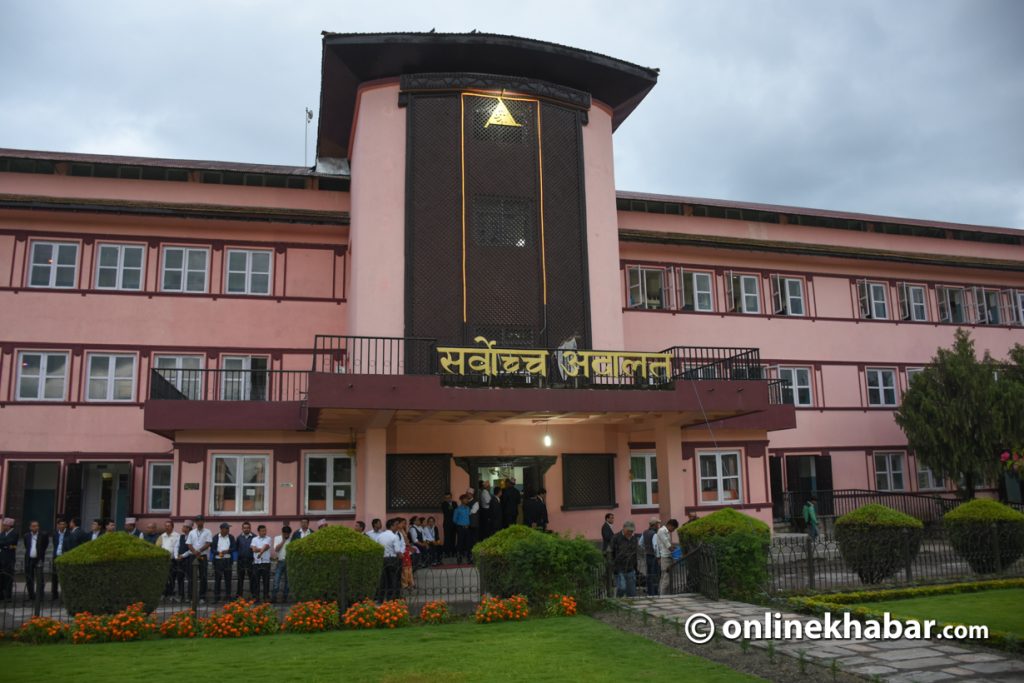
The Supreme Court of Nepal has demanded a written explanation from the officials of the Asset Investigation Commission regarding why they should not face action. This decision stems from a petition seeking contempt of court proceedings. The petition alleges that the commission continued its asset investigation activities despite an interim order issued by the court. In response to this petition, the Supreme Court has now requested a written statement from all commission officials, including its chairperson. The court's directive aims to ascertain the reasons behind the commission's alleged non-compliance with the interim order, which was intended to halt their investigative work.
This development highlights the critical role of judicial oversight in ensuring that investigative bodies adhere to court directives. The Supreme Court's action underscores the principle that no entity, including an asset investigation commission, is above the law or exempt from judicial review. The case raises questions about the commission's internal governance and communication protocols, particularly concerning their response to judicial orders. Moving forward, such instances emphasize the need for robust internal compliance mechanisms within government commissions to prevent potential legal challenges and maintain public trust in the impartiality and effectiveness of state institutions. This situation also points to the broader challenge of balancing the imperative for thorough investigations with the fundamental right to due process and adherence to legal procedures.
AI-generated to prompt reflection — not editorial opinion, not advice, not a statement of fact. How this works.