Supreme Court: The Final Authority and Its Reputation
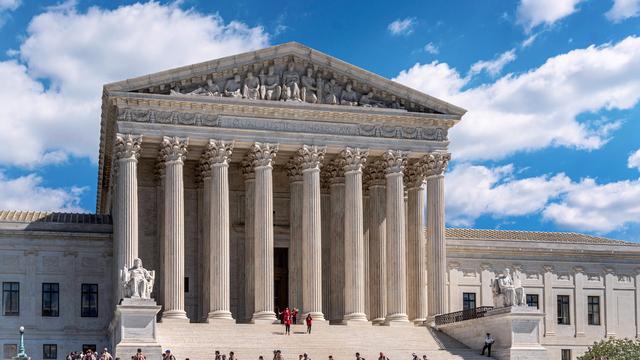
The Supreme Court serves as the ultimate legal authority, making decisions on critical issues such as abortion, gun rights, and elections. Increasingly, the court's rulings also impact its own public standing. The historical trajectory of the court reveals a growing politicization of the legal system. This trend raises questions about the judiciary's role and its perceived impartiality in contemporary society. The decisions made by the Supreme Court have far-reaching consequences, shaping the legal landscape for generations. Its interpretations of the law are often influenced by the prevailing political climate. The court's history is a testament to the complex interplay between law, politics, and public opinion. Understanding this dynamic is crucial for appreciating the challenges facing the judiciary today.
The Supreme Court's role as the final arbiter of legal disputes is increasingly intertwined with its public perception and the political environment. As the court addresses contentious social and political issues, its decisions inevitably attract scrutiny and can be viewed through a partisan lens. This dynamic raises questions about the judiciary's capacity to maintain impartiality and public trust, especially when legal interpretations appear to align with specific political ideologies. The historical context suggests a recurring tension between the court's constitutional mandate and the pressures of a polarized society. Future considerations may involve institutional reforms or evolving judicial norms aimed at reinforcing the court's perceived independence and its foundational role in upholding the rule of law.
AI-generated to prompt reflection — not editorial opinion, not advice, not a statement of fact. How this works.