Supreme Court to Hear Lawyers' Appeal for Early Hearing in Social Media Case
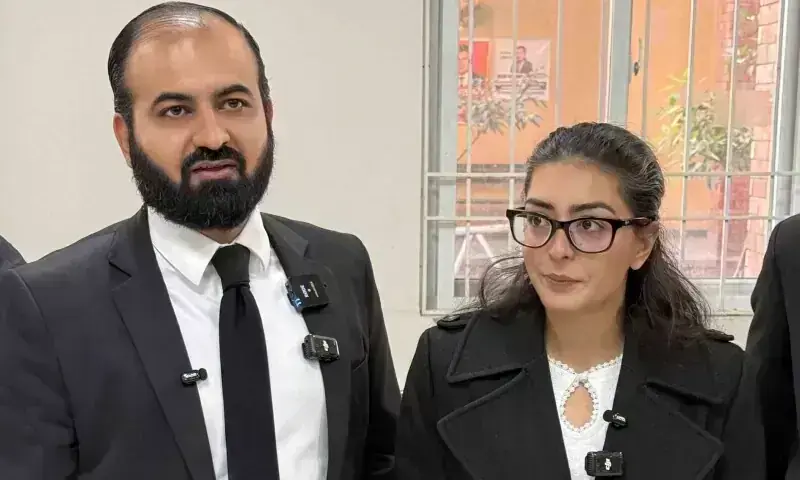
The Supreme Court of Pakistan has issued notices regarding pleas from lawyers Imaan Zainab Mazari-Hazir and Hadi Ali Chattha, who are seeking an expedited hearing of their appeal against a February 19 Islamabad High Court (IHC) decision. This decision denied their request to suspend sentences handed down by an Islamabad sessions court on January 24. The sessions court had sentenced Imaan and Hadi to a combined 17 years in jail under the Prevention of Electronic Crimes Act (Peca) for charges related to social media posts. The Supreme Court bench, led by Justice Muhammad Ali Mazhar, was informed that the IHC was directed to decide on the suspension pleas within two weeks, but the process has faced significant delays. Senior counsel Faisal Siddiqui highlighted that the IHC heard the case on May 20, with a subsequent hearing scheduled for June 4, which was later cancelled without a new date being set. An urgent appeal submitted by the lawyers was also reportedly returned. Justice Mazhar noted that the Supreme Court cannot interfere with interim high court orders and that the IHC had not yet issued notices. The lawyers expressed frustration over the prolonged delay, urging the court to fix the case for hearing. The controversy originated from a complaint filed on August 12, 2025, accusing Imaan of propagating narratives aligned with terrorist groups and her husband of reposting them. Imaan and Hadi have been incarcerated since their January arrest in a separate case involving a protest outside the IHC and alleged manhandling of the IHC Bar Association president. Their sentencing in the social media case occurred shortly after this arrest, drawing criticism from rights bodies and politicians.
The legal proceedings surrounding Imaan Zainab Mazari-Hazir and Hadi Ali Chattha highlight systemic challenges in judicial efficiency and the application of electronic crimes legislation. The extended delays in hearing appeals and suspension pleas, despite explicit Supreme Court directives, raise questions about the responsiveness of lower judicial bodies to constitutional mandates and the right to a speedy trial. This situation underscores the critical need for robust case management systems and accountability mechanisms within the judiciary to prevent undue hardship on individuals facing lengthy detentions while their legal challenges are pending. The case also prompts reflection on the broad interpretation and application of laws like PECA, particularly concerning online speech and its potential for disproportionate sentencing, which may warrant a review of legislative intent versus practical enforcement in the digital age.
AI-generated to prompt reflection — not editorial opinion, not advice, not a statement of fact. How this works.