Supreme Court to Intervene if Delhi Metro Stations Remain Closed
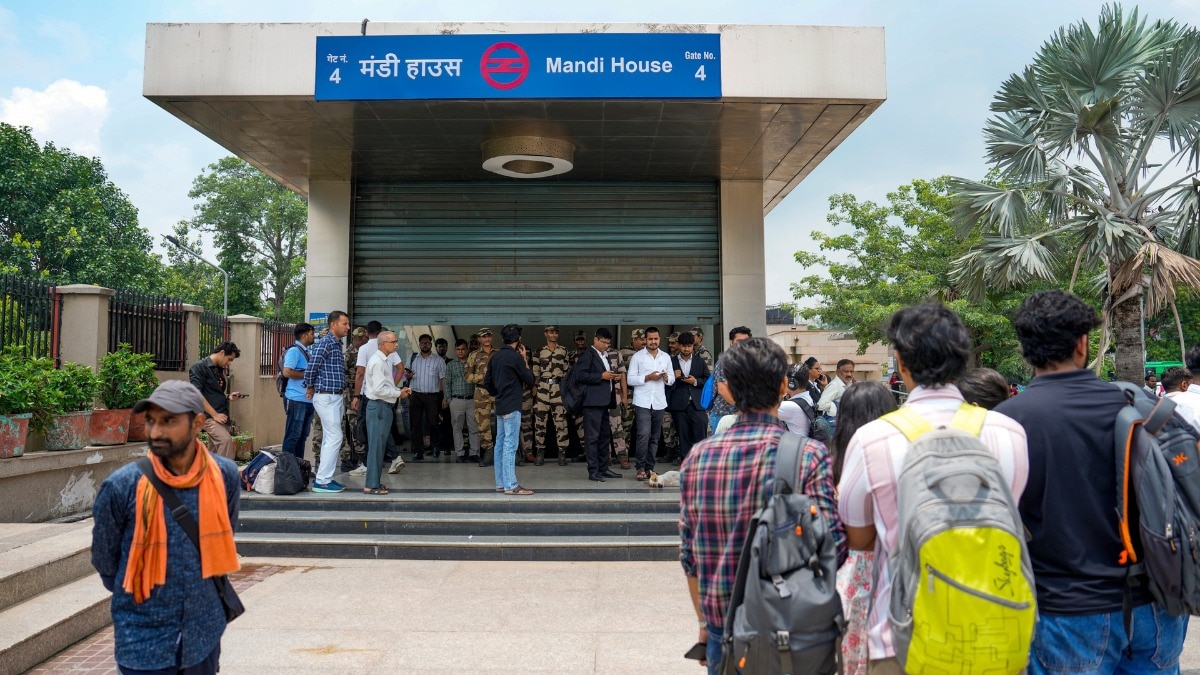
The Supreme Court has taken notice of the inconvenience caused to lawyers and the public due to the closure of several Delhi Metro Rail Corporation (DMRC) stations amidst student protests at Jantar Mantar. Chief Justice of India (CJI) Surya Kant stated that the court would consider intervening if the DMRC does not reopen the affected stations by lunchtime. This intervention was prompted by concerns raised about the disruption to daily life and access to legal proceedings. The protest at Jantar Mantar has led to the closure of multiple metro stations, impacting commuters and legal professionals. The CJI's statement indicates a willingness by the judiciary to address the practical implications of security measures during public demonstrations. The court expects the DMRC to resolve the issue promptly to restore normal services. The decision to potentially intervene underscores the judiciary's role in balancing public safety with the rights and convenience of citizens.
The Supreme Court's potential intervention highlights the tension between public order maintenance and citizen accessibility during protests. While security measures are necessary, prolonged station closures can disproportionately affect urban mobility and economic activity. This situation presents a systemic challenge in balancing the right to protest with the public's right to movement and access. Future urban governance models may need to incorporate more dynamic and less disruptive crowd management strategies, potentially leveraging technology to minimize public inconvenience while ensuring safety. The judiciary's role here is to ensure that administrative decisions do not unduly infringe upon fundamental rights and daily life.
AI-generated to prompt reflection — not editorial opinion, not advice, not a statement of fact. How this works.