Supreme Court Upholds High Court Ruling Restoring Caretaker Government and Referendum Provisions
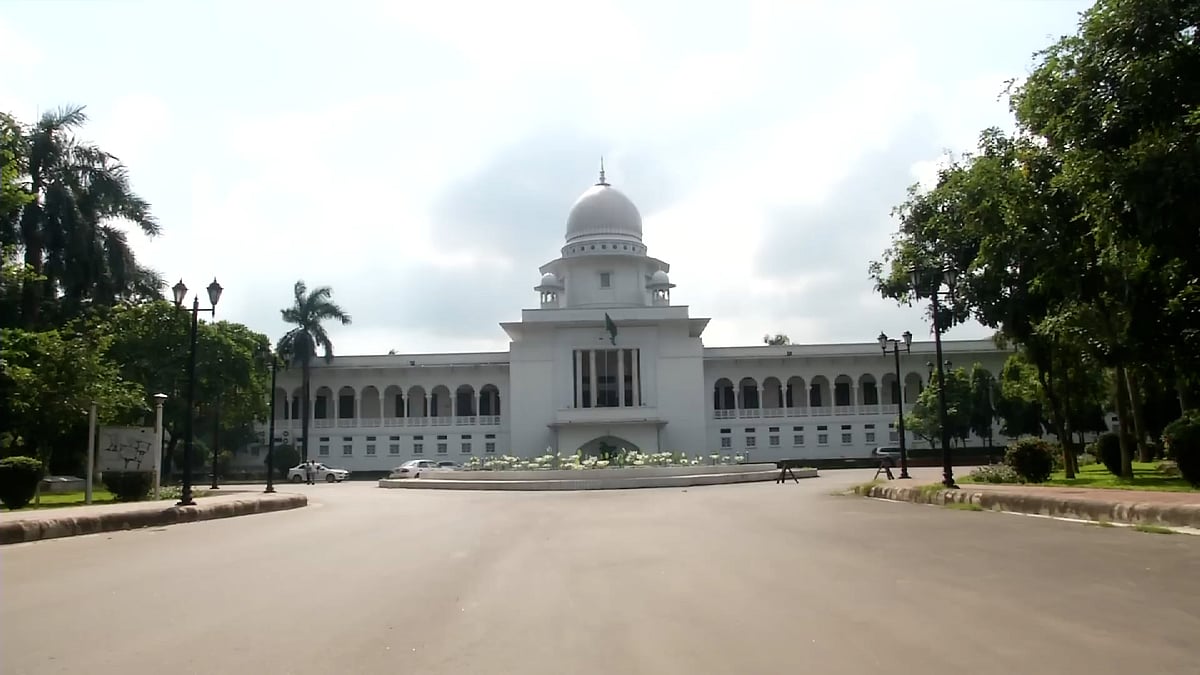
The Appellate Division of the Supreme Court has dismissed the appeal against the High Court's verdict concerning the Fifteenth Amendment to the Constitution. This decision definitively upholds the High Court's ruling that reinstates the provisions for a caretaker government and referendums. The original High Court judgment had declared the Fifteenth Amendment unconstitutional, thereby restoring these earlier constitutional provisions. The appeal sought to challenge this High Court decision. By rejecting the appeal, the Supreme Court has finalized the High Court's stance. This means that the legal framework allowing for caretaker governments to oversee elections and the provision for holding referendums are now constitutionally reinstated. The implications of this ruling are significant for Bangladesh's electoral and constitutional landscape. The caretaker government system was previously in place to ensure neutral election oversight. The referendum provision allows for direct public vote on significant national issues. The Appellate Division's decision marks a crucial point in the interpretation of constitutional amendments and their impact on democratic processes.
The Supreme Court's affirmation of the High Court's decision on the Fifteenth Amendment has significant implications for Bangladesh's constitutional architecture and electoral governance. By reinstating caretaker government provisions and referendums, the ruling potentially reintroduces mechanisms designed to enhance electoral neutrality and direct citizen participation. This outcome may reflect a judicial emphasis on foundational democratic principles over legislative amendments perceived to alter the balance of power. Future political dynamics will likely revolve around the operationalization of these restored provisions, navigating potential challenges related to their implementation and their alignment with contemporary governance needs. The judiciary's role in interpreting constitutional amendments underscores the ongoing dialogue between legislative intent and fundamental rights within the evolving political landscape.
AI-generated to prompt reflection — not editorial opinion, not advice, not a statement of fact. How this works.