Supreme Court Upholds Residents' Standing in Henoko Base Relocation Lawsuit
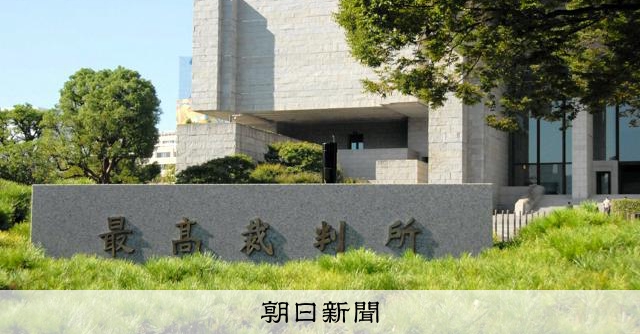
Japan's Supreme Court has ruled in favor of three residents, granting them legal standing to sue over the controversial relocation of a U.S. military base to Henoko, Okinawa. The decision overturns a lower court ruling that had dismissed the residents' right to bring the case. This landmark ruling allows the residents to directly challenge the land reclamation project and its environmental impact. The lawsuit centers on the planned move of the Futenma air station to the coastal area of Henoko, a project opposed by many Okinawan residents due to environmental concerns and the perceived burden of hosting U.S. bases. The Supreme Court's decision signifies a crucial victory for local opposition groups. It ensures that the voices and concerns of those directly affected by the relocation will be heard in the legal process. The implications of this ruling could extend to other similar cases involving public interest litigation and environmental disputes.
The Supreme Court's decision to grant standing to residents in the Henoko base relocation lawsuit highlights the critical role of judicial review in balancing national security interests with local environmental and democratic concerns. This ruling empowers citizens to engage directly in legal challenges against large-scale government projects, potentially influencing future infrastructure development and environmental policy. It underscores the importance of ensuring that affected communities have a voice in decisions that significantly impact their lives and local ecosystems. The case also brings into focus the long-standing tensions between the central government's defense objectives and Okinawa's desire for greater autonomy and environmental protection, suggesting a need for more inclusive decision-making processes moving forward.
AI-generated to prompt reflection — not editorial opinion, not advice, not a statement of fact. How this works.