Surprise Birth: Woman Discovers Pregnancy and Delivers Baby Within 12 Hours in Paraná
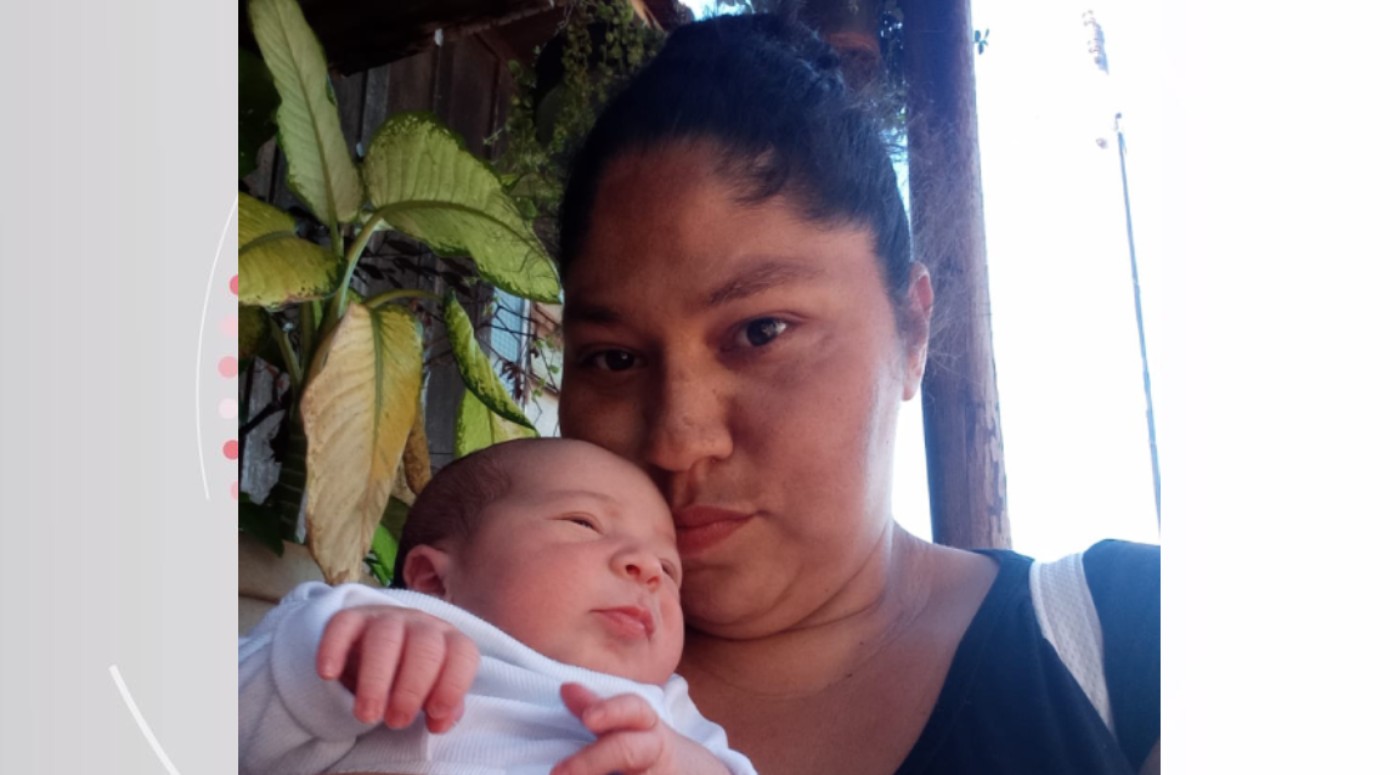
Tatiane dos Santos, a 30-year-old mother of two from Alto Paraná, Brazil, experienced an extraordinary event when she discovered she was pregnant and gave birth to her youngest daughter, Louise Emanuelly, within a 12-hour period. She initially sought medical attention for what she believed was a kidney stone due to intense back pain. However, an ultrasound at a clinic in Paranavaí revealed she was not only pregnant but also in labor, with her baby at 39 weeks gestation. The entire sequence of events, from feeling the initial pain to the birth, occurred between 5 AM and 5 PM on June 22nd. Tatiane reported not experiencing any typical pregnancy symptoms, such as missed periods (due to an irregular cycle) or noticeable physical changes, attributing this to her body type and the baby remaining hidden. Her husband, who had no phone signal at work, was only informed of the pregnancy and birth several hours after Louise was born. A gynecologist confirmed that while rare, it is possible for women to not perceive a pregnancy due to factors like irregular menstruation and weight, but emphasized the significant risks associated with the lack of prenatal care for both mother and child.
This remarkable case highlights the potential for significant physiological and perceptual disconnects during pregnancy. While medical science provides established markers for gestation, individual biological variations and reporting of symptoms can lead to profound surprises, as demonstrated by Tatiane dos Santos' experience. The narrative underscores the critical importance of prenatal care, not just for monitoring fetal development, but also for maternal health and early identification of potential complications. In an era increasingly reliant on data and predictive analytics, such events serve as a potent reminder of the enduring complexities of human biology and the need for robust, accessible healthcare systems that can accommodate unforeseen circumstances and ensure equitable outcomes, regardless of an individual's ability to perceive or report early biological changes.
AI-generated to prompt reflection — not editorial opinion, not advice, not a statement of fact. How this works.