Surprising Ways Food Affects Your Body: From Orange Hands to Garlic Breath
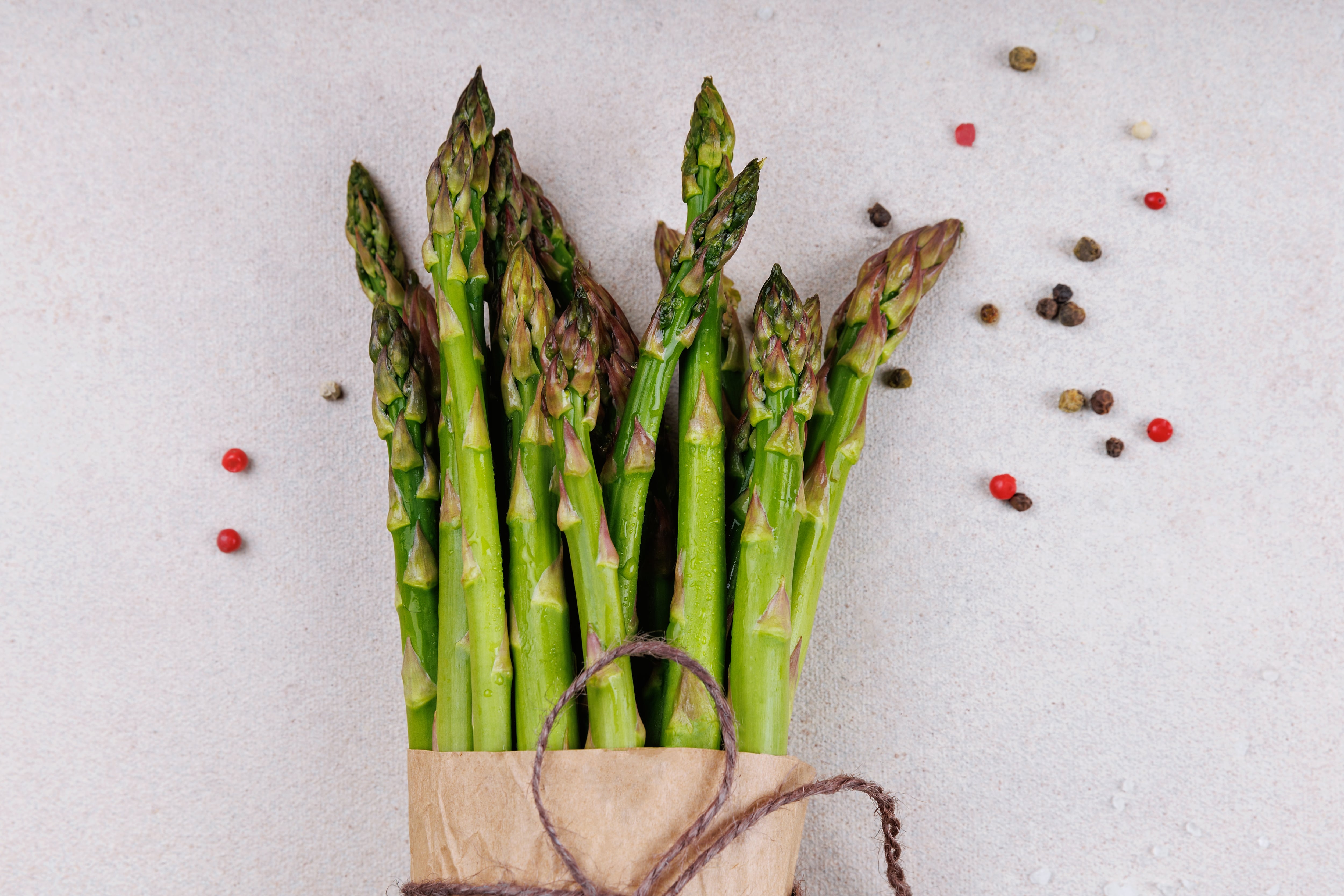
Consuming certain foods can lead to noticeable and sometimes peculiar changes in the human body, a phenomenon rooted in scientific explanations. For instance, eating a large quantity of carrots can cause a temporary orange discoloration of the skin, a condition known as carotenemia. This occurs because carrots are rich in beta-carotene, a pigment that the body converts to vitamin A. When consumed in excess, beta-carotene can accumulate in the skin's outer layers, particularly in areas with thicker skin like the palms of the hands and soles of the feet. Similarly, beets can alter the color of urine and stool to a reddish hue due to betalain pigments. Asparagus is notorious for producing a distinct odor in urine, caused by the breakdown of sulfur-containing compounds like asparagusic acid. Garlic, also rich in sulfur compounds, can lead to a lingering body odor and bad breath as these compounds are absorbed into the bloodstream and released through the lungs and skin. These are not signs of illness but rather the body's natural metabolic processes reacting to the specific chemical components present in these foods.
The human body's physiological responses to dietary intake, such as skin discoloration from beta-carotene or distinct urinary odors from asparagus, highlight the intricate metabolic pathways that process nutrients and byproducts. These reactions, while sometimes perceived as unusual, are benign indicators of the body's efficient detoxification and processing systems. Understanding these effects underscores the direct link between diet and bodily functions, prompting a deeper appreciation for how specific food compounds interact with our biology. This knowledge can inform dietary choices, emphasizing that visible or olfactory changes are often simply the body's way of signaling its internal chemistry at work, rather than cause for alarm.
AI-generated to prompt reflection — not editorial opinion, not advice, not a statement of fact. How this works.