Sururu na Roda Celebrates 25 Years with "Na linha do tempo" Album Featuring Samba Classics
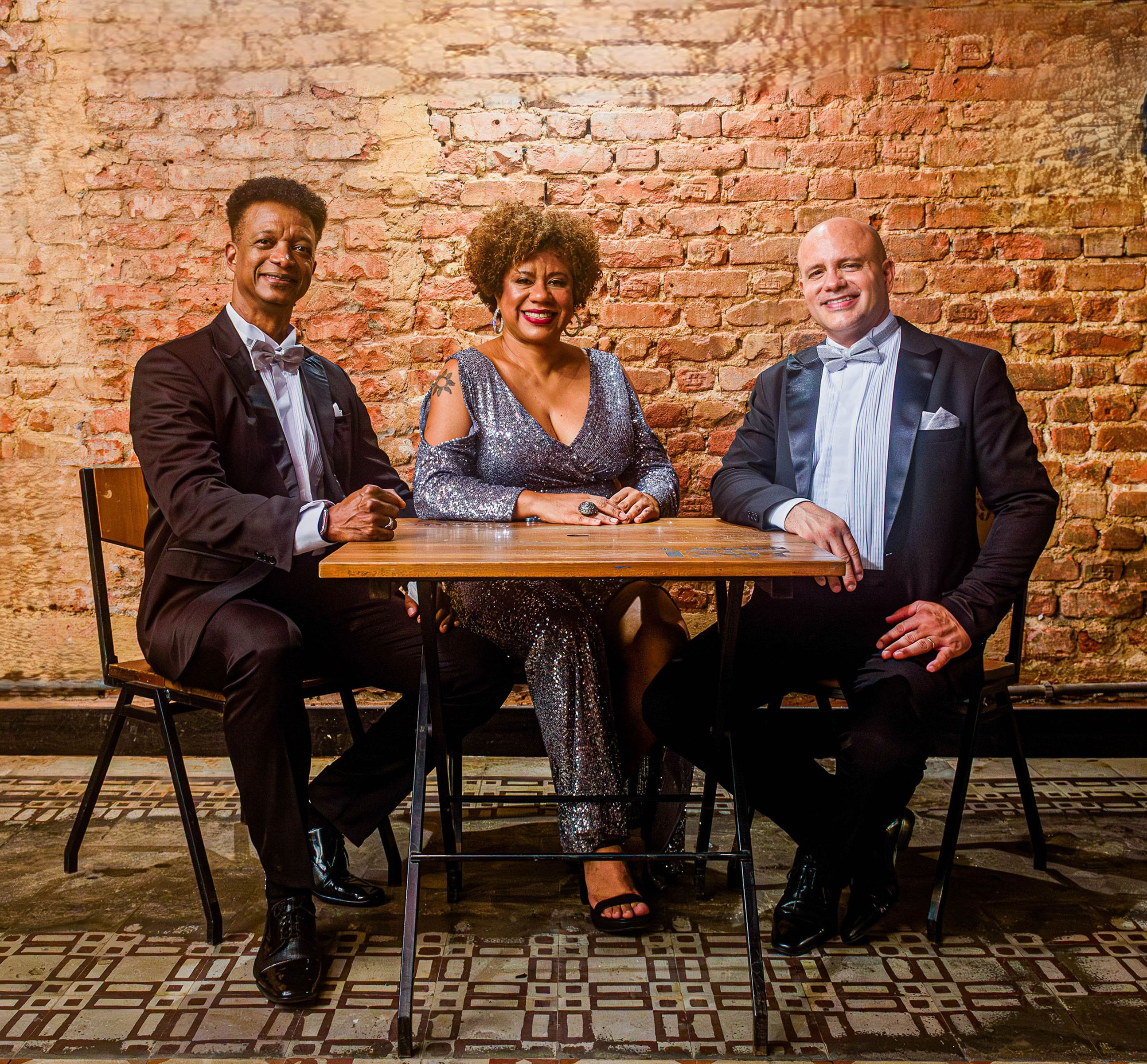
The Brazilian samba group Sururu na Roda is celebrating 25 years of career with their new album, "Na linha do tempo" (On the Timeline). Formed in 2000 at the Federal University of the State of Rio de Janeiro (UNIRIO), the group has undergone several lineup changes. The current trio consists of Ana Costa on vocals and guitar, Fabiano Salek on vocals and percussion, and Silvio Carvalho on vocals and percussion. The album, featuring only re-recordings of samba hits, was released on Friday, July 24th, and boasts musical direction by Rildo Hora, a prominent producer known for his work with artists like Beth Carvalho, Martinho da Vila, and Zeca Pagodinho. The tracklist spans samba history, including "Conversa de botequim" by Noel Rosa and Vadico from 1935, and "Água da minha sede" by Dudu Nobre and Roque Ferreira, a 2000 hit by Zeca Pagodinho. Other featured artists and songs include Martinho da Vila's "Ex-amor" (1981), Gonzaguinha's "É" (1988), Candeia's "Testamento de partideiro" (1976), and "Mutirão de amor" by Jorge Aragão, Zeca Pagodinho, and Sombrinha (1983). The album also revisits "Seja sambista também" (Arlindo Cruz and Sombrinha, 1984), "Fogo de saudade" (Sombrinha and Adilson Victor, 1986), "Sorriso aberto" (Guaraci Sant'anna, 1988), and "Pura semente" (Acyr Marques and Arlindo Cruz, 1989). "Mascarada" (1966), a collaboration between Elton Medeiros and Zé Kétti, is performed with guest vocalist Mart'nália. Marcelo Caldi contributes piano to several tracks, including "Conversa de botequim" and "É." Rildo Hora also plays the hurdy-gurdy on nine of the album's 12 tracks.
The release of "Na linha do tempo" by Sururu na Roda highlights a common strategy in the music industry: leveraging established catalog material to celebrate milestones and engage audiences. By reinterpreting samba classics from a wide chronological range, the group taps into cultural heritage while showcasing their musical interpretation. The involvement of a seasoned musical director like Rildo Hora, alongside guest artists, suggests an effort to add contemporary relevance and production value to familiar tunes. This approach can reinforce an artist's legacy and potentially attract new listeners, though it also raises questions about the economic viability of new compositions versus the perceived safety of re-recordings in a rapidly evolving digital music landscape. The album's curation, spanning decades of samba, reflects a commitment to preserving and promoting the genre's rich history.
AI-generated to prompt reflection — not editorial opinion, not advice, not a statement of fact. How this works.