Survivors Found After Indonesian Ship Sinking; Search Continues
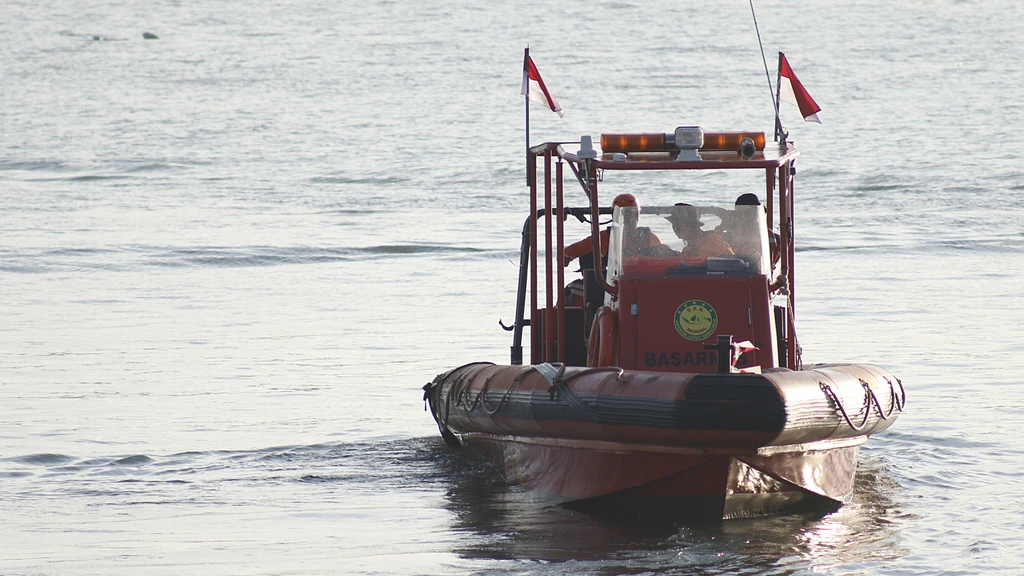
A 46-year-old woman and her 24-year-old son were rescued three days after a passenger ship sank off the coast of Indonesia. They were found by fishermen on the uninhabited island of Balaloho, reporting that four other companions on the voyage did not survive. Earlier, five other survivors, including a 7-year-old girl, three women, and a man, were discovered clinging to a fishing net and debris near Matallang island. These five were part of a group of 25 who had constructed rafts from jerrycans and cork, but were separated by strong winds and high waves. Previously, 49 individuals had been found alive, and one person was recovered deceased. At least eighteen people remain missing. The wooden vessel, KM Nurul Salsa, experienced engine failure on Wednesday approximately 80 kilometers offshore while en route to Selayar from Jampea island. The search operation involves over 200 personnel, including military and police, utilizing aircraft, helicopters, and boats, with assistance from local fishermen and volunteers. However, the rescue efforts are hampered by severe weather conditions, including high waves and strong winds. Local media reported that lifebuoys bearing the ship's name have washed ashore on an uninhabited island. Maritime transport is crucial in Indonesia, an archipelago of over 17,000 islands, but safety remains a persistent concern, often exacerbated by overcrowding on vessels.
This incident highlights the persistent maritime safety challenges in archipelagic nations like Indonesia, where a significant portion of transport relies on waterways. The overcrowding and vessel capacity issues, often cited as contributing factors to such tragedies, point to systemic governance and regulatory enforcement gaps. As technology advances, the integration of real-time vessel tracking, improved emergency communication systems, and stricter adherence to load limits could mitigate future risks. The reliance on manual rescue efforts, though commendable, underscores the need for enhanced disaster preparedness infrastructure. Looking ahead, the intersection of climate change and maritime operations may introduce new complexities, such as more volatile weather patterns, necessitating adaptive safety protocols and resilient infrastructure investments to ensure the safety of the many who depend on sea travel.
AI-generated to prompt reflection — not editorial opinion, not advice, not a statement of fact. How this works.