Survivors of Utoya Massacre Lament Rise of Far-Right Ideology in Norway
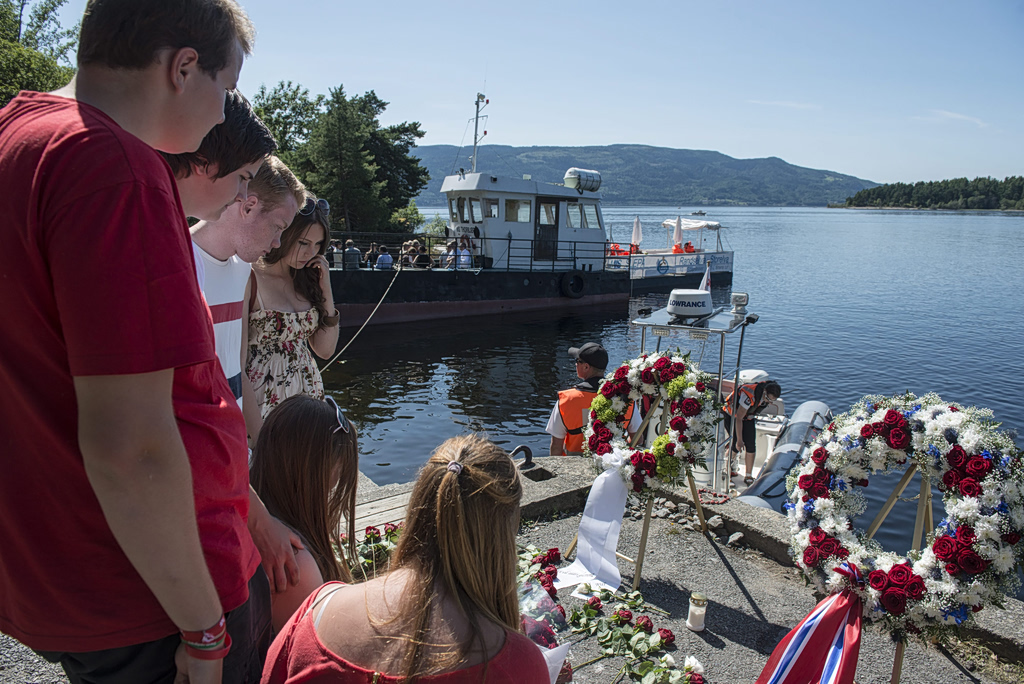
Fifteen years after Anders Breivik's massacre in Norway, survivors are expressing their sorrow as far-right ideas gain increasing popularity in the country. The attack, which claimed the lives of 77 people, primarily young attendees at a Labour Party youth camp on the island of Utoya, remains a deeply traumatic event for the nation. Survivors and their families continue to grapple with the aftermath and the enduring legacy of the violence. The resurgence of far-right sentiments is a cause for significant concern among those who experienced the tragedy firsthand. They observe a worrying trend of extremist ideologies becoming more mainstream, challenging the values of tolerance and inclusivity that were seemingly reinforced in the wake of the attacks. This growing acceptance of such ideas raises fears that the lessons learned from the Utoya massacre may be fading. The survivors' ongoing grief is compounded by the perception that the societal progress made in combating extremism is now being reversed. They are vocal about their disappointment and anxiety regarding the current political climate in Norway.
The Utoya massacre serves as a stark reminder of the devastating consequences of extremist ideologies. While Norway has historically prided itself on its progressive values, the reported rise in far-right popularity suggests a complex interplay of societal factors, potentially including economic anxieties, cultural shifts, or perceived threats to national identity. The survivors' concerns highlight the ongoing challenge of maintaining societal resilience against the insidious spread of hate speech and radicalization. Future efforts to counter such trends will likely require a multi-faceted approach, focusing not only on law enforcement and security but also on robust educational programs that promote critical thinking, empathy, and an understanding of democratic principles. Addressing the root causes of societal discontent and fostering inclusive dialogue are crucial for preventing the recurrence of such tragedies and ensuring that the lessons of the past are not forgotten.
AI-generated to prompt reflection — not editorial opinion, not advice, not a statement of fact. How this works.