Survivors Recount Despair After Fatal Boat Accident at Iguazu Falls
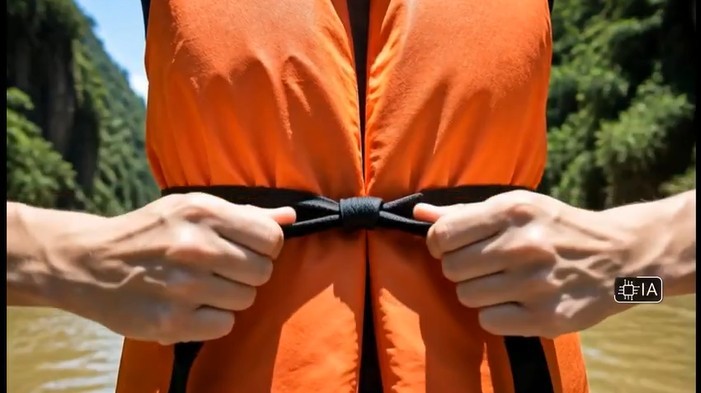
Dutch tourists have described moments of intense desperation following a fatal boat accident at Iguazu Falls in Paraná, Brazil, which resulted in the death of 25-year-old Mark Lessink. Survivors recounted to the Civil Police that the incident occurred with extreme rapidity, leaving no time for reaction. They reported significant difficulties in staying afloat after the boat capsized. According to their testimonies, life vests were provided, but passengers claim they received no instructions on their proper use or on procedures to follow in case of a capsize. One survivor stated that the vests, fastened only at the waist, tended to ride up, hindering their ability to stay on the surface. The strong river currents exacerbated this issue, pulling them downwards despite the vests. Mark Lessink was last seen alive after he helped rescue his fiancée and his sister-in-law, urging others to assist his fiancée before he disappeared. Survivors also indicated a lack of guidance on what to do if one fell into the water. The Navy has stated the vessel, crew, and life vests met current regulations. While the Civil Police have found no immediate evidence of pilot error, they are investigating potential deficiencies in the safety protocols of the tour company. The official cause of Mark Lessink's death was drowning, and the investigation is now focused on the operational managers' potential responsibility.
The tragic incident at Iguazu Falls highlights critical safety considerations for adventure tourism. Survivor testimonies suggest a potential gap between regulatory compliance and practical safety effectiveness, particularly concerning life vest design and user instruction. The investigation's focus on operational management protocols, rather than solely pilot error, points to systemic issues in risk assessment and emergency preparedness within the tour industry. Future-proofing such operations may require enhanced training on emergency procedures, improved life vest functionality that accounts for strong currents, and clearer communication channels for immediate response, ensuring that regulatory adherence translates into tangible safety outcomes for all participants.
AI-generated to prompt reflection — not editorial opinion, not advice, not a statement of fact. How this works.
