Suspect Arrested After Arson at Car Dealership, Apartment Invasion in Piracicaba
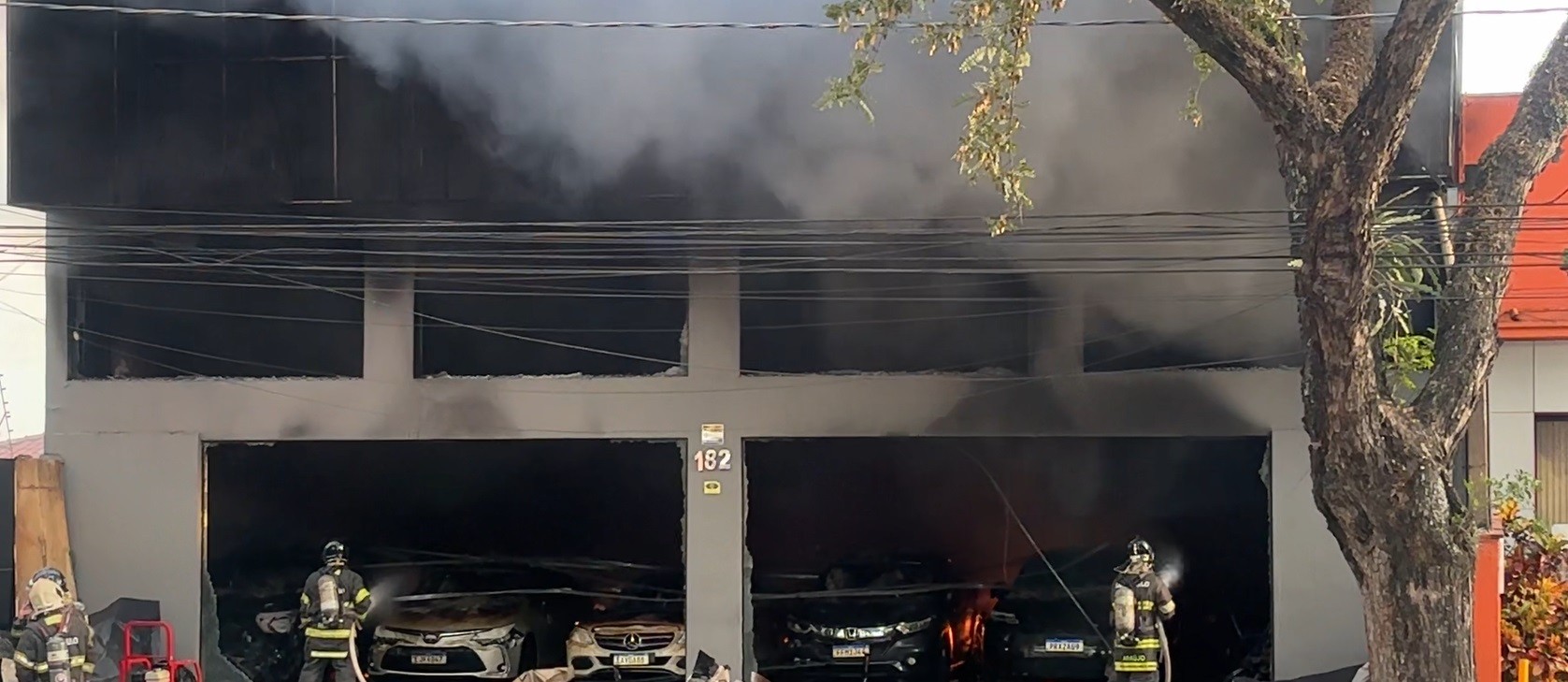
A 46-year-old man, identified as Sérgio Adib Tucunduva, was arrested on Monday, June 3rd, in Piracicaba, São Paulo, Brazil, for allegedly setting fire to a car dealership, causing an estimated R$ 1 million in damages. The suspect was apprehended inside a two-bedroom apartment he had invaded in the Vila Rezende neighborhood. According to the building's caretaker, Evandro Lício, Tucunduva broke a glass panel to access the apartment and left a trail of blood throughout the building, while residents were confined to their rooms. The fire at the dealership, located on Avenida Presidente Kennedy, destroyed 25 cars and six motorcycles, necessitating the closure of the street. Police believe Tucunduva ignited the blaze by starting a car in the dealership's rear and accelerating it until it overheated. Before invading the apartment complex, the suspect reportedly attempted to enter two other commercial buildings. His defense claims he acted out of desperation while fleeing a threat and that his car had been stolen. Tucunduva reportedly told his lawyer that he was at a gas station with an individual when he perceived a theft attempt, prompting his flight. He allegedly entered the dealership during his escape and attempted to drive away in one of the cars, but failed, subsequently entering the apartment building. After being detained, Tucunduva received medical attention for his injuries and was taken for a custody hearing.
This incident highlights a complex interplay of alleged criminal behavior and potential underlying personal crisis. The suspect's actions, including arson and home invasion, resulted in significant property damage and terrorized residents. From a systemic perspective, the case raises questions about mental health support accessibility and the effectiveness of preventative measures for individuals experiencing acute distress or perceived threats. The defense's narrative of fleeing a threat and a stolen vehicle, if substantiated, could introduce mitigating factors, but does not negate the immediate danger and damage caused. Future analysis should consider the efficacy of law enforcement's response in de-escalating volatile situations and the legal framework's capacity to address both the alleged criminal acts and any contributing personal circumstances, aiming for outcomes that balance accountability with rehabilitation and public safety.
AI-generated to prompt reflection — not editorial opinion, not advice, not a statement of fact. How this works.
