Suspect Arrested for Arson in Devastating Washington State Wildfire
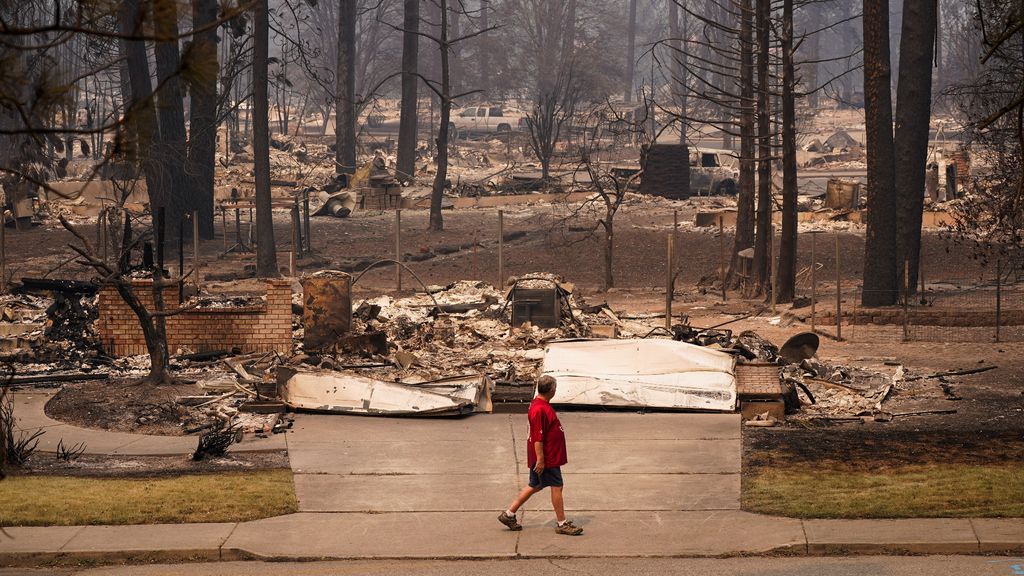
A 37-year-old man has been arrested in Spokane, Washington, in connection with a destructive wildfire that has forced over 67,000 people to evacuate their homes. The suspect was apprehended near the fire's origin after a tip from a concerned resident who observed him behaving nervously in the area. Authorities found matches and a lighter in his possession. The man, who has a prior manslaughter conviction in Arizona, is scheduled to appear in court today. This wildfire, which began on Saturday, has already destroyed approximately 700 homes and consumed more than 250,000 acres of land, making it the most devastating in Washington state's history. Firefighters have not yet brought the blaze under control, with around 1,100 personnel currently engaged and more reinforcements expected. Fifteen wildfires are active across Washington, with no reported fatalities or injuries, though the number of missing persons has decreased significantly from nearly 300 initial reports to 14. Many of these reports are believed to stem from communication breakdowns during the evacuations. The western United States is experiencing widespread wildfires, with over a hundred active fires across fifteen states.
The arrest of a suspect in the Washington wildfire highlights the critical intersection of human action and environmental disaster. While the immediate focus is on apprehending those responsible, the scale of destruction underscores the vulnerability of communities to increasingly severe weather events, potentially exacerbated by climate change. The incident prompts consideration of preventative measures, including enhanced community vigilance and potentially revised land-use policies in fire-prone areas. Looking ahead, the increasing frequency and intensity of such events necessitate a strategic reassessment of emergency response capabilities and resource allocation, particularly in light of the growing challenges posed by widespread natural disasters across multiple states.
AI-generated to prompt reflection — not editorial opinion, not advice, not a statement of fact. How this works.
