Suspect Arrested for Defrauding Victims with Bounced Checks Across Maranhão and Pará
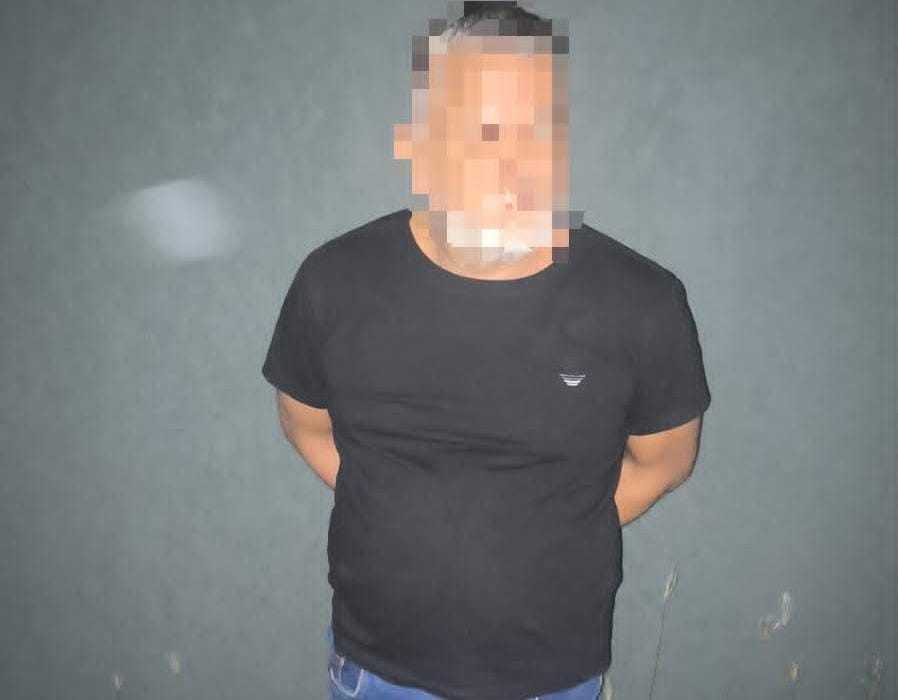
Civil Police in Maranhão, Brazil, executed a pre-trial detention order on Thursday, May 30th, against a man suspected of committing fraud in the states of Maranhão and Pará. The arrest took place in Açailândia, located in the southwestern part of Maranhão, approximately 560 kilometers from the state capital, São Luís. The arrest warrant was issued by the Criminal Court of the Dom Eliseu District in Pará.
According to the Civil Police, the suspect is the subject of numerous police reports detailing his involvement in fraud cases. Investigations indicate that the man engaged in purchasing goods using checks with insufficient funds, thereby deceiving victims and causing them financial losses. Authorities located him at an address different from his usual residences. The operation was conducted with assistance from the Military Police of Maranhão. Following his apprehension, the suspect was transported to the Central Duty Station of the Civil Police in Açailândia for legal processing before being transferred to the Açailândia Prison Unit for Resocialization, where he will await further judicial proceedings in Pará.
This arrest highlights the persistent challenge of financial fraud, particularly concerning bounced checks, which can inflict significant economic harm on individuals and businesses. The cross-state nature of the alleged crimes underscores the need for robust inter-state law enforcement cooperation and information sharing to effectively track and apprehend perpetrators. As digital payment systems become more prevalent, understanding and mitigating the vulnerabilities associated with traditional financial instruments like checks remains crucial for consumer protection and maintaining trust in commercial transactions. Future efforts may focus on leveraging technology to identify patterns of fraudulent activity and enhance the speed of response across jurisdictions.
AI-generated to prompt reflection — not editorial opinion, not advice, not a statement of fact. How this works.