Suspect Arrested in Saquarema Nursing Technician's Murder Case
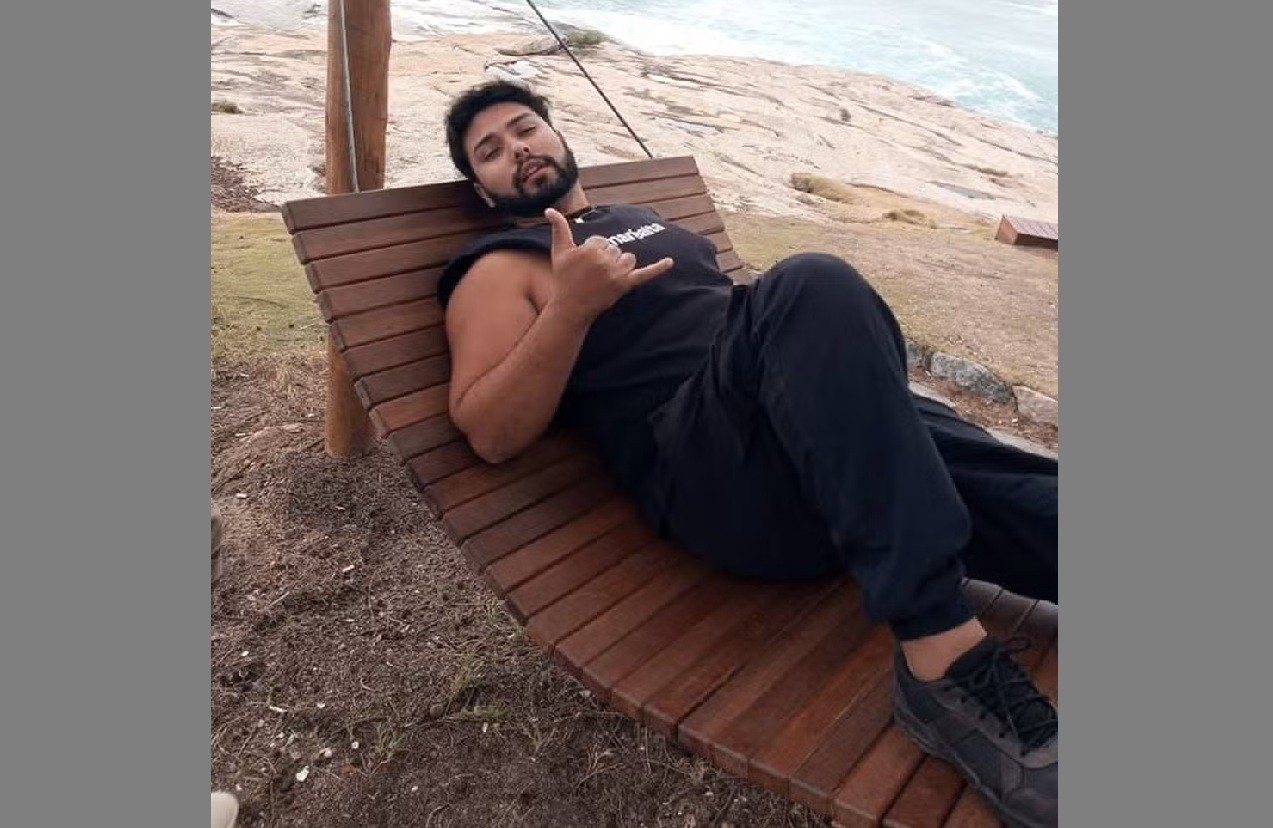
Authorities have arrested Luciano Amorim Cabral, a suspect implicated in the death of nursing technician Fábio Corrêa. Corrêa was found deceased in April 2025 in Saquarema, located in the Região dos Lagos. The arrest occurred on Thursday, May 9th, in Duque de Caxias, Baixada Fluminense, following intelligence provided by Disque Denúncia. Police from the 15th BPM located Cabral on Rua Deputado Sá Rego, at the intersection with Rua Treze de Julho, in the Vila São Luís neighborhood. An active arrest warrant was outstanding against him. He was subsequently transported to the 59th DP in Duque de Caxias, where the incident was officially registered. Fábio Corrêa had been reported missing on April 20, 2025, and his body was discovered nine days later, buried in a wooded area in the Vilatur neighborhood. Investigations suggest the motive for the murder was jealousy. Police revealed that Corrêa was involved with Maria Eduarda, who had allegedly told him she was single. However, investigations uncovered that Eduarda was still in a relationship with Luciano Amorim Cabral. Upon learning of Corrêa's relationship with Eduarda, Cabral, allegedly with Eduarda and her brother, Alan Victor, orchestrated an ambush to kill Corrêa. Arrest warrants have been issued for all three individuals. Law enforcement continues to search for additional suspects involved in the crime.
This arrest marks a significant step in the investigation into the murder of Fábio Corrêa, highlighting the role of personal relationships and jealousy as potential drivers of violent crime. The case underscores the importance of accurate information sharing between individuals and law enforcement, as facilitated by services like Disque Denúncia. Moving forward, understanding the systemic factors that may contribute to such crimes, including relationship dynamics and conflict resolution, could offer insights for community safety initiatives. The ongoing search for other involved parties indicates the complexity of the case and the potential for further developments as the investigation progresses.
AI-generated to prompt reflection — not editorial opinion, not advice, not a statement of fact. How this works.